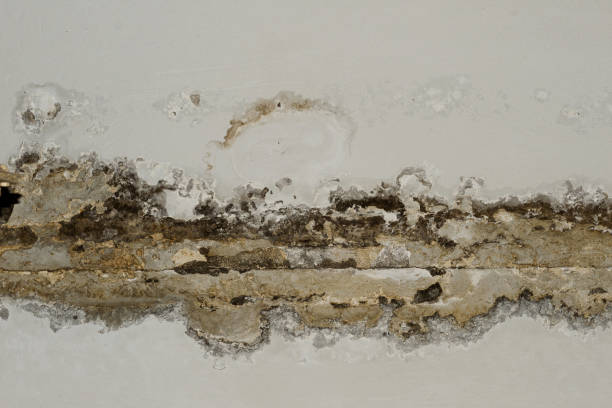
Mold remediation is a critical process aimed at identifying, eliminating, and preventing mold growth in residential and commercial spaces. A structured approach ensures that mold is removed safely and effectively without causing harm to individuals or further damage to the property. Below is a step-by-step guide to the mold remediation process.
Step 1: Initial Assessment and Inspection
The first step in mold remediation involves a thorough inspection of the property to identify areas affected by mold growth. Professionals use specialized tools such as moisture meters, infrared cameras, and air quality monitors to detect visible and hidden mold colonies.
Key components of this step: – Visual Inspection: Identifies surface-level mold. – Moisture Mapping: Locates areas with excess moisture leading to mold growth. – Air Quality Testing: Measures spore concentrations in the indoor environment.
This assessment helps determine the extent of the problem and creates a baseline for developing an effective remediation plan.
Step 2: Containment of Mold-Affected Areas
Once problem areas are identified, containment is established to prevent spores from spreading throughout the property during removal. This often involves using physical barriers and negative air pressure systems.
Methods used for containment: – Plastic sheeting sealed with tape around affected zones. – HEPA (High-Efficiency Particulate Air) filtration systems for air control. – Restricted access to contaminated zones during cleanup.
Proper containment minimizes cross-contamination risks and protects unaffected sections of the property.
Step 3: Mold Removal and Cleaning
After containment, the actual removal process begins. Depending on the severity of contamination, professionals may use various techniques ranging from surface cleaning to complete material replacement for heavily infested areas.
Common approaches: 1. HEPA Vacuuming: Removes loose spores from surfaces. 2. Scrubbing with Antimicrobial Solutions: Cleans non-porous materials like tiles or glass. 3. Removal of Porous Materials: Severely damaged drywall, insulation, or carpet may need replacement. 4. Dry Ice Blasting (if necessary): A non-abrasive method used on wood surfaces and hard-to-reach areas.
The effectiveness of this step relies heavily on precision tools, safe handling practices, and proper disposal methods for contaminated materials.
Step 4: Drying and Dehumidification
Since moisture is a primary contributor to mold growth, drying all affected areas is essential after cleaning. Industrial-grade dehumidifiers and air movers are typically used to eliminate excess moisture from walls, floors, and furniture.
Recommended drying practices: – Use dehumidifiers that maintain indoor humidity levels between 30%-50%. – Promote airflow using industrial fans or open windows when weather permits. – Monitor progress with hygrometers or other moisture detection devices.
Effective drying reduces re-contamination risks while ensuring long-term results.
Step 5: Repairs and Restoration
Once all traces of mold have been removed and treated surfaces dried, professionals proceed with restoring damaged structures or materials. Repairs can range from minor paint touch-ups to significant reconstruction work depending on how much destruction was caused by mold infestation.
Examples include: | Damaged Item | Restoration Action | |——————|————————————| | Drywall | Replacement or patchwork | | Flooring | Reinstallation if warping occurred | | Insulation | Removal followed by reinstallation |
Restoration ensures your space is fully functional again while addressing any structural issues caused by prolonged exposure to moisture or decay.
Step 6: Preventative Measures
Preventing future outbreaks requires identifying root causes—such as water leaks—and addressing them immediately. Professionals might recommend regular inspections alongside proactive measures like improving ventilation systems or installing vapor barriers in basements/crawl spaces.
Some effective prevention strategies include: – Fixing leaky roofs or plumbing issues promptly. – Enhancing home ventilation (e.g., using exhaust fans in bathrooms/kitchens). – Applying antimicrobial coatings on vulnerable surfaces prone to dampness (e.g., basement walls).
Taking these steps provides long-term protection against potential recurrences while maintaining healthier indoor environments over time.
Comprehensive Guide to Mold Remediation Florida: Safe and Effective Practices
Mold removal is a critical process for maintaining a healthy living environment, especially in areas prone to moisture buildup. A safe and effective approach not only ensures that mold is eliminated but also prevents its return. Below is a detailed guide outlining best practices for mold removal.
Assess the Extent of the Mold Problem
Before beginning any mold removal process, it’s vital to assess the scope of the issue. This step helps determine whether you can handle the problem yourself or require professional intervention.
- Small-scale mold: If the affected area is less than 10 square feet, it might be manageable with DIY methods.
- Extensive mold growth: For larger areas or situations involving HVAC contamination, consult certified professionals.
Assemble Proper Tools and Materials
- Personal protective equipment (PPE): gloves, safety goggles, N95 respirator mask
- Plastic sheeting: to isolate affected areas
- Cleaning supplies: detergent, scrub brushes, sponges
- Mold-specific cleaning agents or diluted white vinegar
- HEPA vacuum: for removing loose spores after scrubbing
| Tool/Item | Purpose |
| N95 respirator | Protects from inhaling mold spores |
| Plastic sheeting | Prevents cross-contamination |
| HEPA vacuum | Captures airborne spores effectively |
Contain and Isolate the Area
- Seal off doors and vents using plastic sheeting.
- Turn off heating or cooling systems to avoid circulating contaminated air.
- Establish negative air pressure by using an exhaust fan pointed outdoors.
Remove Contaminated Materials
- Carefully cut out and dispose of damaged sections in sealed plastic bags.
- Follow local regulations for hazardous waste disposal.
- Clean surrounding nonporous surfaces thoroughly.
Cleaning Techniques for Mold Removal
- Scrub hard surfaces such as tiles or wood using detergent or a mixture of water and vinegar (1:1 ratio).
- Avoid mixing cleaning products like bleach with ammonia due to toxic fumes.
- Use a HEPA vacuum after scrubbing to collect debris.
Important: Never underestimate hidden mold behind walls or under floors—professional inspection may be required in such cases.
Ensure Proper Drying
- Use fans or dehumidifiers to speed up drying processes.
- Monitor humidity levels; aim for indoor humidity below 50%.
Prevent Future Mold Growth
- Fix leaks promptly (plumbing issues, roof damage).
- Improve ventilation in high-moisture areas (e.g., bathrooms).
- Use moisture barriers in basements if necessary.
Preventive steps are just as important as remediation because mold thrives in damp conditions.
By following these safe and effective practices during mold removal, you can restore a clean environment while addressing risks associated with further contamination or health concerns caused by lingering spores. Always consider professional assistance when dealing with extensive infestations for optimal results.
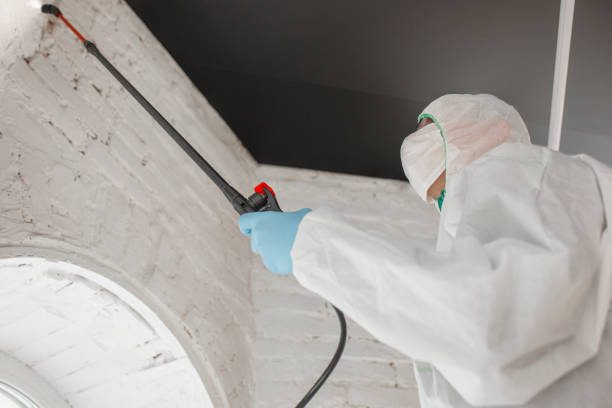
Comprehensive Guide to Mold Removal Services Florida Residents Can Trust
Mold removal is a critical process to ensure the safety and health of your property and its occupants. Following a structured and safe approach minimizes risks associated with exposure to mold spores while ensuring effective remediation. Below is a comprehensive guide outlining best practices for safe and efficient mold removal.
1. Assess the Area & Identify the Scope of Contamination
Before removing mold, it’s essential to evaluate the severity of the contamination. Key steps include:
– Inspecting affected areas: Look for visible signs of mold growth on surfaces such as walls, ceilings, or furniture.
– Identifying hidden mold: Mold can often grow in unseen areas like behind drywall, under flooring, or inside HVAC systems.
– Determining the type of mold: Some molds (e.g., black mold) are more hazardous than others and may require specialized treatment methods.
2. Gather Necessary Equipment for Mold Removal
To remove mold safely, proper personal protective equipment (PPE) and tools must be used. Ensure you have:
– PPE for safety:
– N95 respirators or better-quality masks to avoid inhaling spores.
– Safety goggles to protect your eyes from airborne particles. – Gloves (non-porous) to prevent skin contact with contaminated surfaces.
- HEPA vacuum for capturing fine particles and spores.
- Brushes or sponges for scrubbing affected surfaces.
- Commercial-grade mold cleaners or a mixture of vinegar and water as a cleaning solution.
3. Contain the Affected Area
Preventing cross-contamination is crucial during remediation:
– Seal off affected zones using plastic sheeting secured with duct tape. – Turn off HVAC systems to minimize spore movement through air circulation. – Use negative air pressure machines when dealing with extensive infestations.
4. Remove Contaminated Materials Safely
Some materials may be too damaged by mold to salvage. Follow these guidelines:
– Porous materials such as carpets, drywall, insulation, or ceiling tiles are often unsalvageable and should be disposed of properly. – Non-porous items like glass, metal, or plastic can usually be cleaned thoroughly using approved cleaning agents.
Table: Salvageability of Common Items
| Material Type | Likelihood of Salvage | Notes |
| Drywall | Low | Absorbs moisture; prone to damage |
| Hardwood floors | Moderate | May require sanding/refinishing |
| Upholstered furniture | Low | Difficult to fully clean |
| Plastic/Metal/Glass | High | Easy-to-clean non-porous surfaces |
5. Clean & Disinfect All Surfaces
Thorough cleaning is critical in eradicating active spores:
1. Vacuum all surfaces using HEPA filtration technology. 2. Scrub hard surfaces with detergent solutions or specialized products labeled effective against fungal organisms. 3. Use disinfectants after cleaning as an added precaution against regrowth.
6. Address Moisture Issues
Since moisture is a primary cause of mold growth, addressing water sources is crucial:
– Repair leaks in pipes, roofs, or windows immediately. – Ensure proper ventilation in areas prone to high humidity (e.g., bathrooms or basements). – Consider installing dehumidifiers where necessary.
7. Conduct Post-Cleanup Inspections
After completing the cleanup process: 1. Inspect treated areas visually for any remaining signs of contamination. 2. Use air quality testing devices if needed to confirm all spores have been effectively removed.
Following these steps ensures that both health risks and structural damage caused by mold are minimized effectively while creating an environment resistant to future infestations through preventative maintenance measures.
Finding the Best Mold Removal Company Florida for a Healthier Environment
Mold is more than just an unsightly problem—it poses significant risks to both your health and the structural integrity of your home. Whether it appears as black spots on bathroom tiles or a musty odor in damp areas, mold can have far-reaching consequences if not addressed promptly. Let’s take an in-depth look at why mold remediation is vital for maintaining a safe and healthy environment.
The Health Risks of Mold Exposure
- Respiratory problems: Mold spores can irritate the respiratory system, leading to coughing, wheezing, and shortness of breath.
- Allergic reactions: Those sensitive to mold may experience sneezing, runny noses, itchy eyes, or skin irritation.
- Asthma aggravation: Mold can trigger asthma attacks or worsen symptoms in individuals with pre-existing conditions.
- Mycotoxin concerns: Certain types of mold produce mycotoxins that may cause more severe health effects with prolonged exposure.
Structural Damage Caused by Mold
When left untreated, mold growth can compromise the structural integrity of buildings. Moisture creates an ideal environment for molds to thrive on organic materials such as drywall, wood, and insulation.
- Wood rot: Prolonged moisture exposure can lead to wood decay, impacting floors, walls, and ceilings.
- Weakened drywall: Mold eats away at drywall surfaces over time.
- Damage to insulation: Once infested with mold spores, insulation loses its effectiveness and may need replacement.
The longer mold persists in a property without intervention, the more extensive—and costly—the damage becomes.
Benefits of Timely Mold Remediation
- Improved Indoor Air Quality (IAQ)
Successful remediation reduces airborne spores and eliminates odors caused by microbial growth. - Minimized Health Risks
Prompt action reduces allergen levels in your home or business while protecting occupants from potential harm. - Preservation of Property Value
Effective remediation prevents long-term damage and ensures that properties maintain their market value. - Prevention of Further Spread
Professional intervention stops existing growth from spreading into unaffected areas.
Preventative Strategies for Long-Term Results
| Strategy | Description |
| Maintain Proper Ventilation | Use exhaust fans in bathrooms/kitchens; open windows for air circulation. |
| Control Indoor Humidity Levels | Keep indoor relative humidity below 50% using dehumidifiers if necessary. |
| Fix Water Leaks Promptly | Repair plumbing leaks or roof damage immediately to inhibit moisture buildup. |
| Regular Inspections | Conduct routine checks in high-risk areas like basements or crawl spaces. |
By understanding the dangers posed by unchecked mold growth and taking preventive steps following remediation efforts, you ensure a healthier living environment not only for yourself but also for future occupants or tenants.
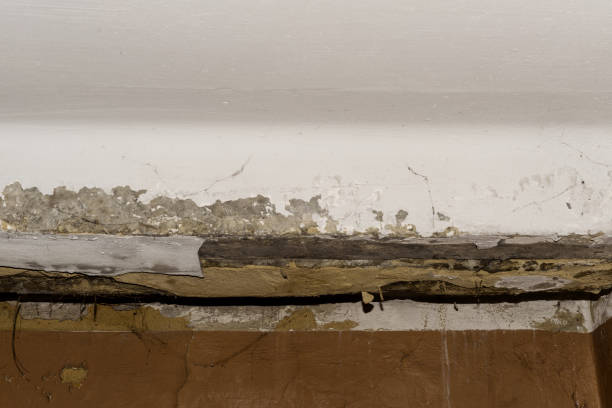
Understanding the Final Inspection Process in Water Damage Restoration Florida and Mold Prevention Strategies
The final inspection phase is a critical component of the mold remediation process. It ensures that all mold has been effectively removed, the affected areas are free from contamination, and preventative measures have been properly implemented to avoid future growth. Below is a detailed overview of what this process entails and the strategies involved.
Purpose of the Final Inspection
The final inspection serves multiple purposes, such as:
– Ensuring thorough remediation: Verifies that all visible mold has been eliminated and hidden areas have been properly addressed.
– Checking air quality: Confirms that spore counts in the environment are within safe levels for human occupancy.
– Identifying vulnerabilities: Detects any remaining factors like moisture or improper ventilation that may contribute to future outbreaks.
Steps Involved in the Final Inspection
- Visual Assessment:
A qualified inspector looks for signs of visible mold or staining on surfaces. This includes hard-to-reach areas such as behind walls, under flooring, or inside HVAC systems. - Moisture Testing:
Moisture meters or infrared cameras are used to detect any residual water presence in walls, ceilings, or other structures. Since moisture is a key contributor to mold growth, this step ensures no damp spots remain. - Air Quality Testing:
Air samples are collected to measure spore levels and assess whether they fall within acceptable limits established by industry standards. Comparisons between indoor and outdoor air samples help determine indoor air quality improvements. - Surface Sampling:
Swab tests may be performed on previously contaminated areas to confirm that no active mold colonies remain. - Verification of Repairs:
Any damaged structures like drywall, insulation, or flooring should be repaired during remediation. The inspection verifies these repairs were completed correctly.
Prevention Strategies Post-Remediation
- Fix leaks in plumbing, roofs, and windows immediately.
- Ensure proper drainage around your property’s foundation.
- Use dehumidifiers if humidity exceeds 50%.
- Install exhaust fans in bathrooms and kitchens.
- Regularly clean HVAC systems and use high-efficiency particulate air (HEPA) filters.
- Open windows periodically to improve airflow where possible.
- Regular Inspections: Conduct periodic checks for potential problem areas like basements or attics where moisture can accumulate unnoticed.
Tools Commonly Used During Final Inspections
| Tool | Purpose | Example |
| Moisture Meters | Detects residual moisture in materials | Pin-type meters for deep penetration; non-invasive models for surfaces |
| Thermal Imaging Cameras | Identifies hidden damp spots via temperature differences | Infrared cameras showcasing “cold spots” linked with moisture |
| Hygrometers | Measures indoor humidity | Digital hygrometers with real-time readings |
| Sampling Equipment | Collects air/surface samples for lab analysis | Air pumps with spore traps; sterile swabs |
Why Professional Expertise Matters
While DIY methods might seem appealing for cost-saving reasons, a professional ensures every aspect of remediation—including final inspections—is completed according to industry standards (e.g., IICRC S520). Professionals utilize specialized tools and techniques, ensuring thorough results while also advising homeowners on tailored prevention tips.
Overall, investing time into a meticulous final inspection minimizes health risks associated with lingering spores while safeguarding your property against further infestations through proactive measures.
Top Reasons to Prioritize Professional Mold Inspection Florida Services
Mold growth is not only an unsightly problem but also a significant hazard to your health and home. While some minor mold issues may seem manageable through DIY methods, professional mold removal services provide unparalleled expertise and long-term solutions. Below are the key reasons why prioritizing professional mold removal is essential for your well-being and property.
Access to Specialized Expertise and Equipment
- Trained Technicians: Professionals are equipped with extensive training in identifying various mold species and understanding their behavior. This ensures precise treatment tailored to the specific type of mold in your home.
- Advanced Tools: Experts use cutting-edge tools like moisture meters, infrared cameras, HEPA vacuums, and air scrubbers. These tools ensure effective remediation that DIY methods often fail to achieve.
- Comprehensive Inspection: Mold remediation specialists conduct thorough inspections to locate both visible and hidden mold colonies, addressing the root cause of the issue rather than just its symptoms.
Health Concerns Addressed Safely
Mold exposure can lead to serious health problems such as respiratory issues, allergies, skin irritation, and even more severe conditions for individuals with compromised immune systems. Professional services help mitigate these risks by: – Using personal protective equipment (PPE) during remediation to prevent cross-contamination. – Implementing proper containment protocols to isolate affected areas and reduce spore spread. – Ensuring complete removal of hazardous material rather than just cosmetic cleanup.
Saves Time and Prevents Recurrence
Attempting DIY mold removal can be time-consuming, especially without the appropriate knowledge or equipment. Professionals streamline the process by: – Quickly assessing the scope of damage. – Applying industry-approved techniques for faster resolution. – Addressing underlying causes such as plumbing leaks or poor ventilation to prevent future outbreaks.
Additionally, professional services often provide warranties or guarantees on their work, offering peace of mind that you’re protected should issues resurface.
Compliance with Industry Standards
Certified mold remediation companies adhere strictly to established safety guidelines such as those outlined by: | Organization | Guidelines Provided | |————————–|——————————————————————————-| | EPA (Environmental Protection Agency) | Indoor air quality standards and proper cleanup practices | | IICRC (Institute of Inspection Cleaning and Restoration Certification) | Industry-standard procedures for safe and effective remediation |
By following these regulations, professionals ensure that your home or business is returned to a safe condition while meeting legal requirements.
Cost-Efficiency in the Long Term
Although hiring professionals may seem like a higher upfront cost compared to DIY efforts, it can save money in the long run by: – Preventing structural damage caused by untreated or poorly addressed infestations. – Avoiding medical expenses related to prolonged exposure. – Reducing energy costs associated with inefficient HVAC systems impacted by contaminated air ducts.
Peace of Mind Through Insurance Coordination
Many reputable mold remediation companies work directly with insurance providers. They assist homeowners throughout claim processes by documenting evidence of damages and providing necessary paperwork.
Final Thoughts
Professional mold removal services offer comprehensive solutions designed not only to eliminate current issues but also prevent future occurrences. Their specialized knowledge, advanced techniques, adherence to safety standards, and cost-effective measures make them an indispensable resource when dealing with mold problems in any environment.
How to Address Mold Issues Effectively Through Professional Solutions
Why Opt for Professional Mold Remediation?
- Thorough Assessment: Professionals conduct a comprehensive inspection to identify all areas affected by mold.
- Specialized Equipment: Expert remediation teams use industry-grade tools such as HEPA vacuums, dehumidifiers, and air scrubbers to address mold-related problems effectively.
- Health Protection: Proper containment techniques are used to prevent the spread of mold spores, protecting your home’s indoor air quality.
- Prevention Strategies: Professionals recommend long-term preventative measures to avoid future outbreaks of mold.
Steps Taken by Professionals in Addressing Mold Issues
- A detailed inspection identifies the type and extent of mold growth.
- Moisture mapping is often conducted to locate hidden sources of moisture contributing to the problem.
- Air quality testing may be performed where necessary.
- Containment barriers (e.g., plastic sheeting) are used to isolate contaminated areas.
- Negative air pressure systems may be employed to keep spores from spreading during cleanup.
- Surfaces with mold are either cleaned or removed depending on their condition.
- Non-salvageable materials like drywall or carpeting may need replacing.
- HEPA filters are used in vacuums and air scrubbers to capture mold spores from the environment.
- Sanitizing treatments may be applied to surfaces after cleaning.
- Leaks or condensation issues that encourage mold growth are resolved as part of comprehensive remediation efforts.
- Once remediation is complete, experts reassess the property to confirm no further signs of contamination remain.
DIY vs Professional Mold Remediation
| Aspect | DIY Approach | Professional Approach |
| Expertise | Limited knowledge & techniques | Certified specialists with experience |
| Equipment | Basic household tools | Specialized industrial-grade equipment |
| Health Risks | Higher risk due to improper handling | Reduced risks with proper containment |
| Long-Term Prevention | May overlook root causes | Targeted strategies for prevention |
While small surface-level molds might be manageable using DIY methods, larger infestations should always involve professionals for safety reasons and long-lasting results.
Tips for Choosing a Reliable Mold Remediation Service
- Look for certifications such as IICRC (Institute of Inspection Cleaning and Restoration Certification).
- Check customer reviews online or ask for references from past clients.
- Confirm their processes include proper containment measures, safe removal practices, and thorough post-remediation testing.
- Obtain a clear estimate outlining all costs involved before agreeing on services.
Professional solutions go beyond simply removing visible mold; they target its root causes while safeguarding your home environment against future infestations through proper prevention strategies backed by expertise.
- Effective Mold Remediation Florida Tips to Prevent Mold Growth in Your Home
- Comprehensive Guide to Mold Remediation Florida: Identifying and Solving Indoor Moisture Problems
- Mold Remediation Florida: Comprehensive Services and Resources for Safe and Effective Mold Removal
- Effective Mold Removal Florida: A Step-by-Step Guide to Remediation
- Comprehensive Guide to Mold Remediation Florida Homes Need
- What to Expect from Mold Removal Services Florida and How Professionals Handle the Process
- 6 Steps to Comprehensive Mold Remediation in Florida
- Comprehensive Guide for Mold Removal Florida Residents Can Trust
- Effective Mold Removal Florida: Key Steps and Professional Techniques