
Mold remediation is a critical process for ensuring the safety of your home and the health of its occupants. Mold, a type of fungus, thrives in damp and humid environments, posing serious risks to structures and individuals alike. Proper mold removal involves more than just cleaning visible patches; it requires addressing underlying causes and ensuring preventive measures are in place. Here’s a detailed look at mold remediation services and resources designed to help you manage mold issues effectively.
What Are Mold Remediation Services?
Mold remediation services are professional solutions designed to identify, remove, and prevent mold growth in residential or commercial properties.
- Inspection and Assessment:Professionals conduct thorough inspections to locate both visible mold and hidden growth inside walls, ceilings, or HVAC systems.
- Containment:To stop the spread of mold spores during removal, experts use physical barriers or negative air pressure systems.
- Filtration:High-efficiency air filters (HEPA) are employed to capture airborne spores during remediation.
- Removal:Depending on the severity of the infestation, professionals clean surfaces using specialized tools or remove contaminated materials (e. g. , drywall or carpets).
- Restoration:After removing mold-damaged materials, repair work may be required to restore areas like walls or flooring.
Benefits of Professional Mold Removal
- Comprehensive Solutions
Experts assess not only the current infestation but also identify environmental factors contributing to ongoing mold issues—like leaks or poor ventilation—and address them thoroughly. - Improved Air Quality
By eliminating airborne spores through HEPA filtration systems, professionals ensure cleaner indoor air for residents. - Long-Term Prevention
Specialized services help you prevent future infestations through moisture control strategies. - Safety
Professionals use industry-approved protective gear and follow protocols to minimize risks associated with exposure.
Resources for Safe Mold Removal at Home
- White vinegar (natural fungicide)
- Hydrogen peroxide (kills most types of household molds)
- Baking soda solutions (effective against small spots)
- Scrub brushes with stiff bristles
- Gloves made from nitrile or rubber
- Face masks rated N95 for protection against spore inhalation
- Guidelines from Authorities
The Environmental Protection Agency (EPA) provides free guides on safely managing small-scale mold removal at home.
| Tool/Product | Purpose | Notes |
| White Vinegar | Kills surface-level molds | Avoid mixing with bleach |
| HEPA Vacuum Cleaner | Extracts spores from carpeting | Use only certified models |
| Dehumidifier | Controls indoor humidity levels | Maintain below 50% RH |
Preparing Your Property for Professional Mold Remediation
- Identify areas where you suspect hidden moisture (e. g. , basements or attics).
- Fix any known plumbing leaks immediately as they contribute heavily toward recurring problems.
- Temporarily relocate sensitive individuals—such as children or those with allergies—from affected spaces during inspections/removal processes.
Understanding available resources alongside expert guidance ensures effective resolution while safeguarding loved ones long term.
Professional Mold Removal Florida: Effective Methods for a Cleaner Home
It can cause respiratory issues, allergies, and other health complications, especially for those with weakened immune systems. Taking the right steps to remove mold promptly and effectively is crucial for maintaining a safe living environment.
Step 1: Assess the Extent of Mold Growth with Professional Mold Removal Services Florida
Before beginning any mold removal process, it’s important to determine where mold is present and how widespread it is. This will help you decide if the problem can be handled on your own or if professional assistance is required.
- Small-scale growth: Typically limited to areas under 10 square feet such as bathroom tiles or small patches on walls.
- Large-scale growth: Covers extensive areas, often involving structural materials like walls, ceilings, or HVAC systems. This may require professional remediation services.
Step 2: Gather Proper Tools and Materials for a Mold Removal Company Florida
| Tools & Supplies Needed | Purpose |
| Protective gloves | Protect hands from mold spores and harsh chemicals |
| N-95 mask or respirator | Prevent inhalation of spores |
| Safety goggles | Protect eyes from irritants |
| Scrub brush | For cleaning hard surfaces thoroughly |
| Spray bottle | To apply cleaning solutions evenly |
| Plastic sheets | To contain affected areas during cleaning |
Recommended cleaning agents: – Commercial mold removers – White vinegar (effective against most surface molds) – A mixture of water and baking soda – Bleach solution (only for non-porous surfaces)
Step 3: Water Damage Restoration Florida Guide to Removing Mold from Different Surfaces
The method you choose will depend on the type of surface that has been affected.
Non-Porous Surfaces (e. g.
- Mix one cup of bleach with one gallon of water.
- Apply the solution using a spray bottle or cloth.
- Scrub gently with a brush until all visible mold is removed.
- Rinse with clean water and dry thoroughly.
Porous Surfaces (e. g.
Porous materials absorb moisture easily and may require deeper intervention: 1. If feasible, remove and discard severely damaged materials like drywall or insulation. 2. For less severe cases, treat surfaces using vinegar or commercial antimicrobial sprays. 3. Allow treated areas to dry completely to prevent regrowth.
Fabrics (e. g.
- Wash removable fabrics in hot water with detergent.
- For non-washable fabrics, use a handheld steamer followed by air drying in sunlight.
Step 4: Improve Ventilation During and After Mold Inspection Florida
Maintaining proper airflow helps reduce moisture levels that encourage mold growth: – Open windows while scrubbing away mold. – Use dehumidifiers or fans to keep humidity levels below 50%. – Ensure air ducts are clean for better circulation throughout your home.
Preventing Future Mold Growth
Control Moisture Levels
Since excess moisture is the primary cause of household molds: – Fix leaks promptly in plumbing fixtures or roofs. – Install exhaust fans in high-humidity areas like bathrooms and kitchens. – Invest in dehumidifiers for particularly damp spaces such as basements.
Regular Cleaning Practices
Routine maintenance can keep your home free from conducive conditions: 1. Clean gutters regularly to prevent water accumulation near your foundation. 2. Inspect seals around windows and doors for gaps allowing moisture ingress. 3. Use mildew-resistant paint on walls prone to dampness.
By employing these methods alongside preventive measures, homeowners can successfully eliminate existing mold issues while safeguarding against future infestations that could threaten both their property’s integrity and their family’s well-being.
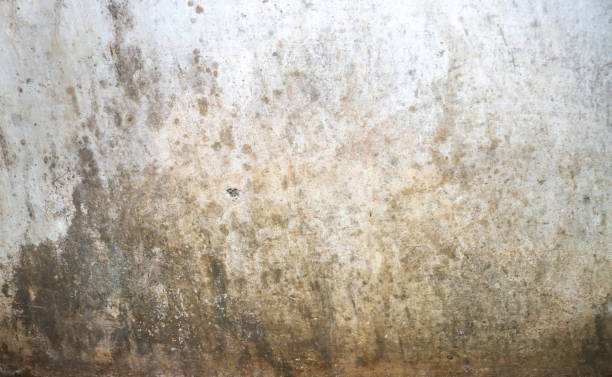
- Black, Green, or White Spots: Mold often appears as patches or spots on surfaces such as walls, ceilings, floors, and furniture.
- Unusual Textures: Look for fuzzy or slimy coatings on materials like wood, drywall, tiles, or fabric.
Signs of Water Damage
Stains and Discoloration: Yellowish or brown stains on walls and ceilings may indicate water damage where mold has started forming.Warping Materials: Buckling floorboards or peeling wallpaper can signal moisture intrusion.Condensation
Health Issues Among Occupants
In addition to allergy symptoms, prolonged exposure to toxic molds can cause more severe health problems such as respiratory infections, fatigue, dizziness, or even neurological effects. If multiple members of your household develop unexplained health issues while at home but recover elsewhere, this could point to a hidden mold problem.
| Area | Common Indicators |
| Bathrooms | Black spots around bathtubs/showers; grout discoloration |
| Kitchens | Under sinks; behind refrigerators |
| Basements | Damp walls; musty odors |
| Attics | Insulation with visible stains |
| Laundry Rooms | Around washing machines |
How To Address Early Signs
Act promptly by addressing moisture issues (e. g. , fixing leaks). 2. Conduct a thorough inspection using a flashlight and checking hard-to-reach spaces. 3. Consider professional testing services if unsure about the extent of contamination. 4. Use protective gear (gloves & masks) when investigating suspected areas yourself.
Early detection mitigates long-term risks associated with structural damage and potential health hazards caused by unchecked mold infestations—make inspections part of your routine home maintenance efforts whenever possible.
Effective Methods for Getting Rid of Mold in Your Home
Below are effective methods to remove mold and prevent its recurrence.
Before starting any mold removal process, evaluate the scope of the infestation:
– Small-scale Growth: For areas smaller than 10 square feet, you can typically handle the cleanup yourself with proper precautions.
– Extensive Growth: Larger infestations may require professional remediation services to ensure safe and thorough removal.
Safety should be a top priority when dealing with mold.
– Respirator Mask: Use an N95 mask or higher-grade respirator to prevent inhaling mold spores.
– Gloves: Non-porous gloves made from materials like rubber or neoprene are ideal.
– Goggles: Use safety goggles without ventilation holes to protect your eyes from spores and cleaning agents.
Prevent mold spores from spreading to other parts of your home by isolating the contaminated area:
– Close doors and windows in the affected room. – Seal off vents with plastic sheeting and painter’s tape. – Use HEPA-filtered air purifiers during cleanup.
| Surface Type | Cleaning Method | Notes |
| Hard surfaces | Scrub with soap, water, and a stiff brush; rinse thoroughly; dry completely | Avoid harsh chemicals unless necessary |
| Porous materials | Remove and discard materials like drywall, insulation, or fabrics that cannot be salvaged | Mold penetrates porous surfaces deeply |
| Non-washable items | Wipe down with a mixture of water (1 part) and white vinegar (1 part) | Allow vinegar odor to dissipate naturally |
For persistent growth on hard surfaces, use commercial mold removers or diluted bleach (1 cup bleach per gallon of water). Never mix bleach with ammonia or other cleaners as it produces toxic fumes.
Mold thrives in damp environments, so addressing moisture is critical for long-term prevention: – Repair leaks in roofs, pipes, or walls promptly. – Ensure proper ventilation in high-humidity areas like bathrooms and kitchens. – Maintain indoor humidity levels below 50% using dehumidifiers or air conditioners.
Materials that cannot be cleaned should be sealed in heavy-duty plastic bags before disposal. Label these bags as “mold-contaminated” if required by local waste management guidelines.
After conducting cleanup efforts: 1. Regularly inspect previously affected areas for new signs of growth. 2. Place humidity sensors in problem-prone spaces for early detection. 3. Consider applying anti-microbial treatments or sealants on vulnerable surfaces.
By following these steps meticulously, you can effectively remove existing mold while minimizing its potential return over time.
Effective Methods for Getting Rid of Mold in Your Home
Fortunately, there are effective methods to address this issue and restore your home to a safe, mold-free environment. Below is a detailed guide on how to remove mold effectively.
Step 1: Identify the Type and Extent of Mold Growth
Before removing mold, it’s essential to assess the extent of the problem. Some types of mold are more harmful than others, such as black mold (Stachybotrys chartarum), which can release toxic spores.
- Visible Mold:Look for discoloration on surfaces like walls, ceilings, and floors. Mold often appears as green, black, or white patches.
- Hidden Mold:It might grow under carpets, behind drywall, or in vents. A musty odor often indicates hidden growth.
- Testing Kits:Consider using an at-home mold testing kit or consult a professional if you’re unsure about the type of mold present.
Step 2: Gather Essential Supplies
To safely remove mold from your home, it’s important to use proper tools and protective equipment.
| Supplies Needed | Purpose |
| N95 respirator mask | Protects from inhaling spores |
| Safety goggles | Shields eyes from spores |
| Rubber gloves | Prevents skin contact |
| Plastic sheeting | Isolates affected areas |
| Scrub brushes | Used for cleaning surfaces |
| HEPA vacuum cleaner | Removes loose spores |
| Cleaning solutions (bleach/vinegar) | Disinfects surfaces |
Step 3: Isolate and Contain the Area
Mold spores can easily spread during removal efforts.
- Seal off affected rooms with plastic sheeting and duct tape.
- Turn off HVAC systems to avoid spreading spores through air ducts.
- Open windows in the room for ventilation.
Step 4: Choose an Appropriate Cleaning Method
- Non-Porous Materials (e.g., glass or tile):Scrub with a mixture of water and bleach (1 cup bleach per gallon of water). Always wear protective gear when working with harsh chemicals.
- Porous Materials (e.g., drywall or wood):If heavily infested, these materials often need replacement since mold penetrates deeply into them.
- Natural Cleaners:For less severe infestations or sensitive areas like bathrooms and kitchens, vinegar or baking soda mixed with water can be effective alternatives.
Step 5: Dry and Dehumidify the Area
- Use fans or dehumidifiers to dry all surfaces thoroughly.
- Repair leaks or sources of water infiltration promptly.
Tips for Preventing Future Mold
- Address leaks immediately in plumbing systems or roofing.
- Ventilate high-moisture areas like bathrooms by using exhaust fans.
- Regularly clean gutters to prevent water buildup near your home’s foundation.
- Inspect windows and doors for condensation buildup during colder months.
By following these methods carefully and adopting preventative measures afterward, you can ensure that your home remains free from problematic mold while protecting both its structure and your family’s health.
- Effective Mold Remediation Florida Tips to Prevent Mold Growth in Your Home
- Comprehensive Guide to Mold Remediation Florida: Identifying and Solving Indoor Moisture Problems
- Mold Remediation Florida: Comprehensive Services and Resources for Safe and Effective Mold Removal
- Effective Mold Removal Florida: A Step-by-Step Guide to Remediation
- Comprehensive Guide to Mold Remediation Florida Homes Need
- What to Expect from Mold Removal Services Florida and How Professionals Handle the Process
- 6 Steps to Comprehensive Mold Remediation in Florida
- Comprehensive Guide for Mold Removal Florida Residents Can Trust
- Effective Mold Removal Florida: Key Steps and Professional Techniques