Menu Close

Tag: mold inspection Florida

Comprehensive Guide to Mold Remediation Florida: Identifying and Solving Indoor Moisture Problems

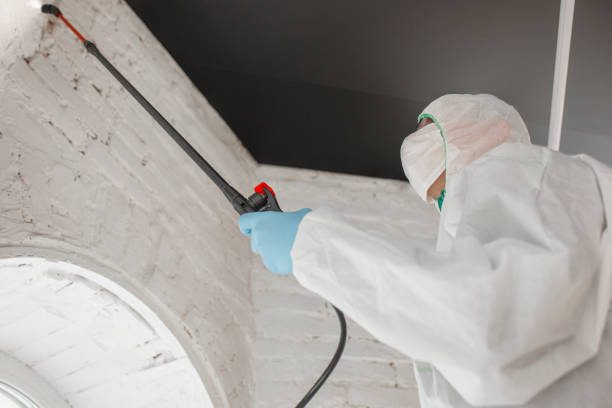
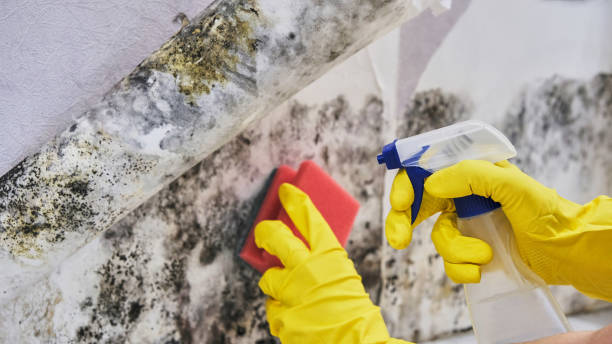
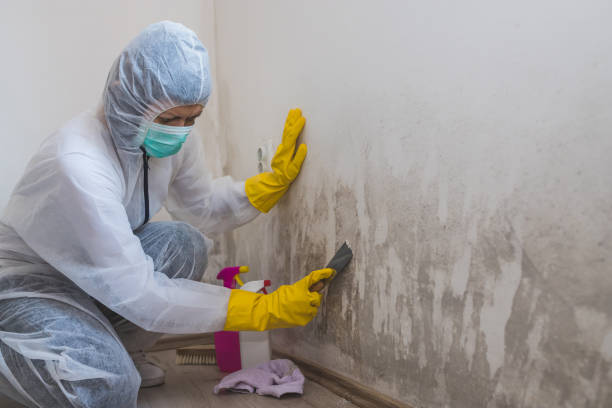
Mold Removal Spray on Wall Mold Removal Spray on Wall. mold remediation stock pictures, royalty-free photos & images

Mould thrives in environments with excess moisture, poor ventilation, and high humidity. Identifying the root causes of mould growth is the first step toward effectively addressing the problem. By understanding where mould develops, why it occurs, and how to eliminate it, you can create a cleaner, safer indoor environment.

Common Causes of Moisture Problems Indoors

  • Leaking roofs or pipes: Water seeping through damaged roofs or faulty plumbing creates the perfect breeding ground for mould.
  • Poor ventilation: Spaces without proper airflow—such as bathrooms, basements, or attics—tend to trap humidity.
  • Condensation: Cold surfaces like windows or poorly insulated walls may accumulate moisture due to temperature fluctuations.
  • Flooding or water damage: Even after initial cleanup from floods or leaks, residual dampness often leads to mould growth.

Identifying these sources early can prevent further damage and reduce the likelihood of recurring issues.

Signs of Mould Growth Indoors

  1. Visible dark spots or discoloration: Mould often appears as black, green, yellow, or even white patches on walls, ceilings, or floors.
  2. Musty odors: A persistent earthy smell is often a sign of hidden mould colonies.
  3. Peeling paint or wallpaper: This can indicate trapped moisture behind surfaces.
  4. Health symptoms among occupants: Increased allergies, coughing, sneezing, asthma attacks, and skin irritation may suggest exposure to indoor mould.

If you notice any of these signs in your home or building, it’s time for immediate action.

Effective Solutions for Moisture Control and Mould Removal

  • Inspect plumbing systems and patch leaks in pipes promptly.
  • Repair roof damage causing water intrusion.
  • Use exhaust fans in bathrooms and kitchens during activities like showering and cooking.
  • Ensure vents lead outdoors rather than recirculating air indoors.
  • Consider dehumidifiers in high-humidity areas such as basements.
  • Aim to maintain indoor humidity between 30%–50%. Use a hygrometer to monitor levels.
  • Seal windows properly during wet weather to reduce outdoor moisture infiltration.
  • For minor infestations (less than 10 square feet), clean hard surfaces with soap and water followed by a disinfectant solution such as diluted bleach (1 cup bleach per gallon of water). Always wear personal protective equipment (PPE) during cleaning.
  • For severe cases (greater than 10 square feet) or extensive structural contamination (e.g., within HVAC systems), consult professional remediation services.

Best Practices Table for Preventing Indoor Moisture Issues

Problem Prevention Strategy Frequency
Leaky plumbing Inspect pipes; replace damaged fixtures Semi-annually
Poor bathroom ventilation Install exhaust fans; leave doors open post-shower Daily
Window condensation Insulate windows; use storm-proof designs Seasonally
High humidity Run dehumidifiers; avoid air-drying clothes indoors As needed

By systematically addressing these issues with preventive strategies alongside proper clean-up techniques when necessary, you’ll not only mitigate existing problems but also safeguard your indoor spaces from future mould outbreaks.

Effective Mold Removal Florida: Identifying and Addressing Mould Growth in Your Home

Mould can develop in any indoor environment where moisture persists, making it essential to identify its presence early before it becomes a larger issue. Here’s how you can effectively pinpoint mould growth and assess its extent in your home.

Identifying Common Signs with a Mold Removal Company Florida

  • Visible Discoloration: Look for black, green, or white patches on surfaces like walls, ceilings, and floors.
  • Musty Odor: A strong, persistent earthy smell could indicate hidden mould.
  • Warping or Staining: Bubbling paint, warped wooden surfaces, or water stains are warning signs of excess moisture that may promote mould.
  • Health Symptoms: If household members experience unexplained allergic reactions (sneezing, coughing) or respiratory issues indoors, mould might be present.

Areas Prone to Mould Development

Area Potential Causes of Moisture
Bathrooms Steam from hot showers and leaking pipes
Kitchens Poor ventilation and water splashes near appliances
Basements High humidity levels or leaks through foundations
Attics Roof leaks or condensation due to poor insulation
Around Windows Condensation build-up

Steps for Detecting Hidden Mould

  1. Inspect Behind Surfaces: Check under carpets, behind wallpaper, and inside ventilation ducts.
  2. Use a Flashlight: Shine light on walls and ceilings at an angle to spot irregular textures or discolored patches.
  3. Monitor Humidity Levels: Use a hygrometer to detect elevated humidity (above 60%), which fosters mould growth.
  4. Listen for Complaints of Unusual Smell: A musty odor behind cabinets or inside crawl spaces may signal unseen mould colonies.

Tools for Comprehensive Inspection

  • Flashlights for spotting difficult-to-see patches
  • Hygrometers for monitoring indoor relative humidity
  • Moisture meters to measure dampness levels within walls or floors
  • DIY mould test kits (for areas where professional inspection is unavailable)

When You Need Professional Assessment

  • You suspect extensive hidden growth but cannot locate it.
  • The problem spans multiple rooms or structural components.
  • There’s recurring visible growth despite cleaning efforts.

By understanding these signs and utilizing the right tools during inspections, you’ll be better equipped to assess the scope of any issue with indoor mould accurately. This awareness lays the groundwork for effective remediation strategies tailored specifically to your home’s needs.
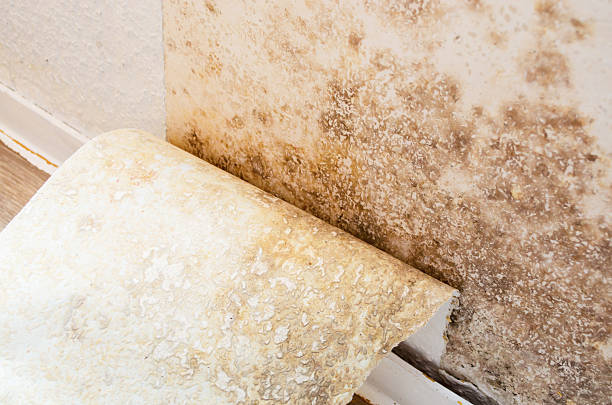
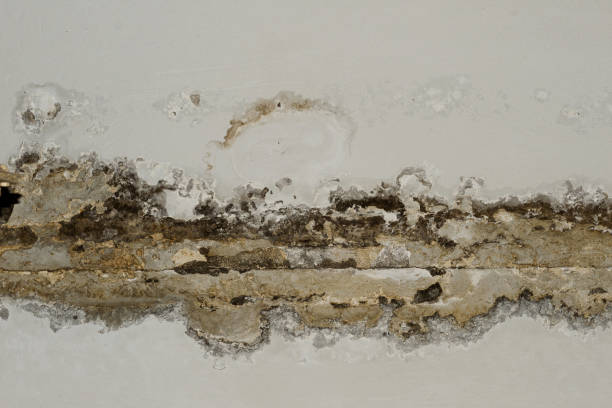
Mold and mildew damage on wall with peeling wallpaper This image shows the effects of mold and mildew growth on a wall with peeling wallpaper, highlighting a common problem mold remediation stock pictures, royalty-free photos & images

Effective Mold Removal Services Florida: Identifying and Addressing Mould Growth in Your Home

Mould growth in your home can often go unnoticed until it becomes a significant issue. Identifying mould early is key to preventing further damage to your property and safeguarding the health of those living in the home. Below is a guide to help you efficiently identify mould presence and assess its extent.

Common Signs of Mould Growth

  • Musty Odor: Persistent, earthy smells are often an indicator of hidden mould growth.
  • Visible Discoloration: Dark spots or stains on walls, ceilings, or other surfaces that may appear green, black, white, or orange.
  • Peeling Paint or Wallpaper: Moisture buildup behind walls can cause paint or wallpaper to bubble and peel.
  • Water Damage: Leaks from plumbing fixtures, roofs, or windows can create conditions conducive to mould growth.
  • Health Symptoms: Increased respiratory issues such as coughing, sneezing, or nasal congestion could indicate exposure to indoor mould.

Understanding Water Damage Restoration Florida and Mould Growth Risks

Location Potential Sources of Moisture
Bathrooms Leaking pipes, unvented showers, condensation
Kitchens Sink leaks, refrigerator drip pans
Basements Groundwater seepage, poor ventilation
Attics Roof leaks, inadequate insulation causing condensation
Laundry rooms Washing machine overflows or improperly vented dryers

Essential Tools for Mold Inspection Florida Homeowners Trust

  1. Moisture Meter: Helps detect damp areas within walls and floors where mould might be growing.
  2. Infrared Camera: Identifies temperature differences that may indicate hidden moisture.
  3. Mould Testing Kits: Collect samples for lab analysis if professional testing services are unavailable.

How to Assess the Extent of Mould Damage

  1. Check all corners of rooms with high humidity.
  2. Move furniture away from walls for hidden mold inspection.
  3. Create a small sketch of your home pinpointing visible affected regions.
  4. Estimate coverage size (e.g., small patches vs. entire wall sections).
  5. If the area exceeds 10 square feet (as per EPA guidelines), professional remediation is recommended.
  6. Seek expert advice for structural components like HVAC systems that may harbor unseen mould colonies.

When It’s Time to Call an Expert

  • Large-scale infestations covering significant portions of walls or flooring.
  • Recurring problems despite prior cleanup efforts suggesting ongoing moisture issues.
  • Suspected toxic black mould (Stachybotrys chartarum), which poses heightened health risks.

Identifying the presence and extent of mould promptly reduces long-term risks while enabling effective remediation strategies tailored to your home’s specific needs. Use these techniques as part of regular maintenance practices in high-risk zones like bathrooms and basements for better indoor air quality year-round.
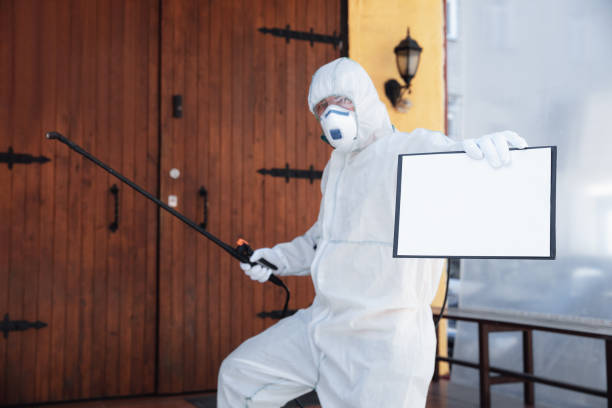
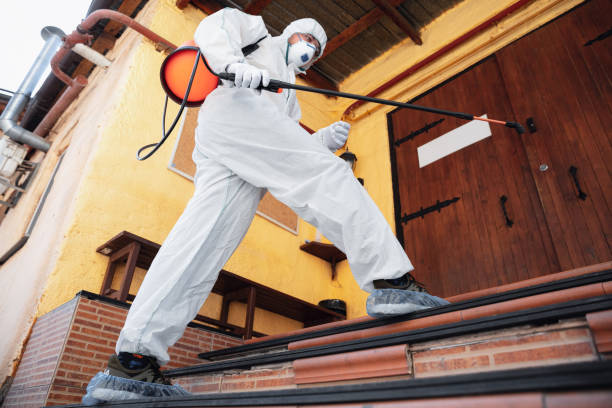
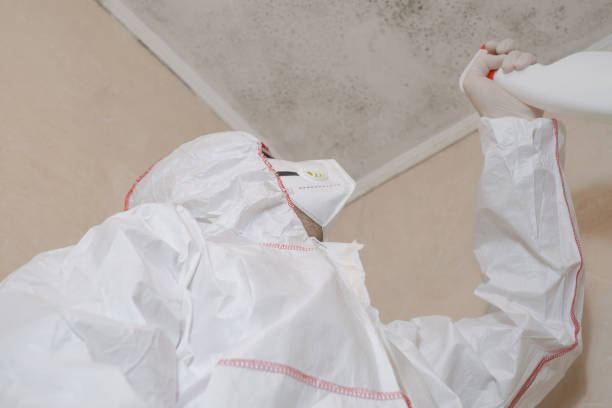
Coronavirus Pandemic. A disinfector in a protective suit and mask sprays disinfectants in the house or office Coronavirus Pandemic. A disinfector in a protective suit and mask sprays disinfectants in house or office. Protection against COVID-19 disease. Prevention of spreding pneumonia virus with surfaces. mold remediation stock pictures, royalty-free photos & images

Essential Personal Protective Equipment for Safe Mould Removal

When dealing with mould removal, protecting yourself should be a top priority. Exposure to mould can lead to various health issues, including respiratory problems and skin irritation. To ensure your safety while addressing mould infestations, it’s crucial to equip yourself with the proper personal protective equipment (PPE). Below is a detailed guide on the essential PPE you will need and its importance.

Why Personal Protective Equipment is Necessary

Mould spores are microscopic and can easily become airborne during the removal process. Without adequate protection, these spores might be inhaled or come into contact with your skin, leading to potential health risks such as:
– Allergic reactions like sneezing, watery eyes, or rashes
– Respiratory issues such as coughing or wheezing
– Aggravation of asthma or other pre-existing lung conditions

Wearing PPE lowers the risk of exposure and ensures safer handling of contaminated areas.

Essential PPE for Mould Removal

  1. Purpose: Prevents inhalation of airborne mould spores and dust particles.
  2. Recommendation: Use an N95 respirator mask or higher-rated respirator (e.g., P100) for optimal protection. Avoid simple cloth masks as they are insufficient for filtering out fine particles.
  3. Purpose: Protects your hands from direct contact with mould, cleaning agents, and contaminated surfaces.
  4. Recommendation: Opt for non-porous gloves made from materials like nitrile, rubber, or neoprene rather than fabric ones that can absorb contaminants.
  5. Purpose: Shields your eyes from splashes of cleaning solutions and airborne spores.
  6. Recommendation: Choose goggles that create a seal around the eyes instead of standard safety glasses to prevent spore entry.
  7. Purpose: Prevents skin exposure to mould-contaminated surfaces or materials.
  8. Recommendation: Wear long-sleeved shirts and pants made from non-porous materials or disposable coveralls designed for hazardous environments (e.g., Tyvek suits). Dispose of or wash clothing after use.
  9. Purpose: Keeps feet dry and prevents tracking spores into clean areas.
  10. Recommendation: Use disposable shoe covers or waterproof boots that can be cleaned thoroughly after use.
  11. Purpose: Prevent contamination of hair with spores.
  12. Suggestion:** Use disposable caps if you’ll be working in heavily contaminated spaces.

Additional Tips for Using PPE Effectively

To ensure maximum effectiveness when using personal protective equipment during mould removal: – Inspect all gear before starting to ensure it is intact with no damage. – Replace disposable items like gloves and masks after each use. – Remove PPE carefully after work without touching any exposed surfaces on the contaminated side. – Wash reusable items thoroughly before storing them.

PPE Item Purpose Recommendation Reusability
Respirator Mask Prevents inhalation N95/P100 rated Disposable
Gloves Hand protection Nitrile/rubber/neoprene Disposable
Safety Goggles Eye protection Fully sealed Reusable
Protective Clothing Skin barrier Non-porous/disposable coveralls Disposable
Boot Covers/Boots Foot safety & cleanliness Waterproof/shoe covers Both

By equipping yourself properly with these essential items, you will create a safer environment not only for yourself but also reduce contamination risks during cleanup efforts.

Steps to Preparing Your Space for Effective Mould Cleanup

Thorough preparation is key to ensuring mould cleanup is both effective and safe. By properly setting up the area and taking the necessary precautions, you can minimize the risk of spreading mould spores and protect your health during the process. Below are essential steps to follow when preparing your space for mould removal.

1. Assess the Affected Area

Before starting any cleaning process, take these preparatory actions:
Inspect the extent of the mould growth: Determine how widespread the problem is by checking walls, ceilings, floors, and hidden areas such as behind furniture or under carpets. – Identify moisture sources: Look for potential causes of dampness, such as leaks, condensation, or poor ventilation. Without addressing these issues, mould will likely return. – Measure safety concerns: If you find extensive mould covering an area larger than 10 square feet (around 1 square meter), consider consulting a professional.

2. Gather Required Tools and Materials

Having all necessary supplies ready in advance ensures a smoother cleaning process. Here’s what you’ll need:
– Cleaning solutions (commercial mould cleaners or DIY options like vinegar or hydrogen peroxide)
– Buckets, sponges, and brushes
– Heavy-duty garbage bags for disposing of contaminated materials
– Microfiber cloths for wiping surfaces
– Sealed plastic sheets or tarps to contain the work area

3. Protect Yourself with Personal Protective Equipment (PPE)

To avoid health risks associated with mould exposure, always wear appropriate safety gear:
– A N95 respirator mask to prevent inhalation of spores
– Non-permeable gloves such as nitrile or rubber gloves
– Safety goggles without ventilation holes to shield eyes from spores or chemical splashes
– Long-sleeved clothing that can be washed immediately after use

4. Isolate the Work Area

Preventing cross-contamination is critical during mould cleanup. Follow these isolation tips:
– Seal off doorways and vents using plastic sheeting secured with painter’s tape. This keeps spores from spreading to unaffected areas. – Shut down HVAC systems in the affected space temporarily so air circulation doesn’t disperse spores further. – Keep doors closed whenever possible during cleanup activities.

5. Remove Any Furniture or Items

To create a clutter-free working environment: 1. Move unaffected furniture and belongings out of the room if feasible. 2. For items that cannot be moved but may have minor contamination (e.g., upholstered furniture), cover them with plastic sheeting until they can be cleaned later.

6. Improve Ventilation While Working

Ensure adequate airflow during cleanup while preventing spore spread: – Open windows if weather permits but ensure that fans do not blow air from inside to outside directly. – Use exhaust fans vented outdoors if available but avoid circulating air indoors.

Preparation Checklist Completed?
Inspect affected areas [ ]
Identify moisture source [ ]
Gather cleaning tools [ ]
Wear PPE [ ]
Isolate work area [ ]
Remove movable items [ ]

Properly preparing your space not only streamlines the removal process but also reduces health risks and prevents further contamination in your home environment.


Mold Remediation Florida: Comprehensive Services and Resources for Safe and Effective Mold Removal

Coronavirus Pandemic. A disinfector in a protective suit and mask sprays disinfectants in the house or office Coronavirus Pandemic. A disinfector in a protective suit and mask sprays disinfectants in house or office. Protection against COVID-19 disease. Prevention of spreding pneumonia virus with surfaces. mold remediation stock pictures, royalty-free photos & images

Mold remediation is a critical process for ensuring the safety of your home and the health of its occupants. Mold, a type of fungus, thrives in damp and humid environments, posing serious risks to structures and individuals alike. Proper mold removal involves more than just cleaning visible patches; it requires addressing underlying causes and ensuring preventive measures are in place. Here’s a detailed look at mold remediation services and resources designed to help you manage mold issues effectively.

What Are Mold Remediation Services?

Mold remediation services are professional solutions designed to identify, remove, and prevent mold growth in residential or commercial properties.

  • Inspection and Assessment:Professionals conduct thorough inspections to locate both visible mold and hidden growth inside walls, ceilings, or HVAC systems.
  • Containment:To stop the spread of mold spores during removal, experts use physical barriers or negative air pressure systems.
  • Filtration:High-efficiency air filters (HEPA) are employed to capture airborne spores during remediation.
  • Removal:Depending on the severity of the infestation, professionals clean surfaces using specialized tools or remove contaminated materials (e. g. , drywall or carpets).
  • Restoration:After removing mold-damaged materials, repair work may be required to restore areas like walls or flooring.

Benefits of Professional Mold Removal

  1. Comprehensive Solutions
    Experts assess not only the current infestation but also identify environmental factors contributing to ongoing mold issues—like leaks or poor ventilation—and address them thoroughly.
  2. Improved Air Quality
    By eliminating airborne spores through HEPA filtration systems, professionals ensure cleaner indoor air for residents.
  3. Long-Term Prevention
    Specialized services help you prevent future infestations through moisture control strategies.
  4. Safety
    Professionals use industry-approved protective gear and follow protocols to minimize risks associated with exposure.

Resources for Safe Mold Removal at Home

  1. White vinegar (natural fungicide)
  2. Hydrogen peroxide (kills most types of household molds)
  3. Baking soda solutions (effective against small spots)
  4. Scrub brushes with stiff bristles
  5. Gloves made from nitrile or rubber
  6. Face masks rated N95 for protection against spore inhalation
  7. Guidelines from Authorities
    The Environmental Protection Agency (EPA) provides free guides on safely managing small-scale mold removal at home.
Tool/Product Purpose Notes
White Vinegar Kills surface-level molds Avoid mixing with bleach
HEPA Vacuum Cleaner Extracts spores from carpeting Use only certified models
Dehumidifier Controls indoor humidity levels Maintain below 50% RH

Preparing Your Property for Professional Mold Remediation

  1. Identify areas where you suspect hidden moisture (e. g. , basements or attics).
  2. Fix any known plumbing leaks immediately as they contribute heavily toward recurring problems.
  3. Temporarily relocate sensitive individuals—such as children or those with allergies—from affected spaces during inspections/removal processes.

Understanding available resources alongside expert guidance ensures effective resolution while safeguarding loved ones long term.

Professional Mold Removal Florida: Effective Methods for a Cleaner Home

It can cause respiratory issues, allergies, and other health complications, especially for those with weakened immune systems. Taking the right steps to remove mold promptly and effectively is crucial for maintaining a safe living environment.

Step 1: Assess the Extent of Mold Growth with Professional Mold Removal Services Florida

Before beginning any mold removal process, it’s important to determine where mold is present and how widespread it is. This will help you decide if the problem can be handled on your own or if professional assistance is required.

  • Small-scale growth: Typically limited to areas under 10 square feet such as bathroom tiles or small patches on walls.
  • Large-scale growth: Covers extensive areas, often involving structural materials like walls, ceilings, or HVAC systems. This may require professional remediation services.

Step 2: Gather Proper Tools and Materials for a Mold Removal Company Florida

Tools & Supplies Needed Purpose
Protective gloves Protect hands from mold spores and harsh chemicals
N-95 mask or respirator Prevent inhalation of spores
Safety goggles Protect eyes from irritants
Scrub brush For cleaning hard surfaces thoroughly
Spray bottle To apply cleaning solutions evenly
Plastic sheets To contain affected areas during cleaning

Recommended cleaning agents: – Commercial mold removers – White vinegar (effective against most surface molds) – A mixture of water and baking soda – Bleach solution (only for non-porous surfaces)

Step 3: Water Damage Restoration Florida Guide to Removing Mold from Different Surfaces

The method you choose will depend on the type of surface that has been affected.

Non-Porous Surfaces (e. g.

  1. Mix one cup of bleach with one gallon of water.
  2. Apply the solution using a spray bottle or cloth.
  3. Scrub gently with a brush until all visible mold is removed.
  4. Rinse with clean water and dry thoroughly.

Porous Surfaces (e. g.

Porous materials absorb moisture easily and may require deeper intervention: 1. If feasible, remove and discard severely damaged materials like drywall or insulation. 2. For less severe cases, treat surfaces using vinegar or commercial antimicrobial sprays. 3. Allow treated areas to dry completely to prevent regrowth.

Fabrics (e. g.

  1. Wash removable fabrics in hot water with detergent.
  2. For non-washable fabrics, use a handheld steamer followed by air drying in sunlight.

Step 4: Improve Ventilation During and After Mold Inspection Florida

Maintaining proper airflow helps reduce moisture levels that encourage mold growth: – Open windows while scrubbing away mold. – Use dehumidifiers or fans to keep humidity levels below 50%. – Ensure air ducts are clean for better circulation throughout your home.

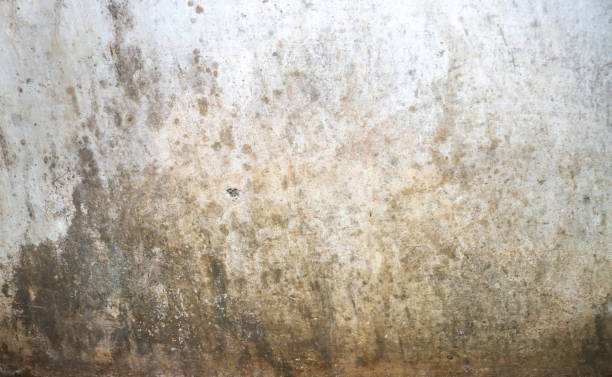
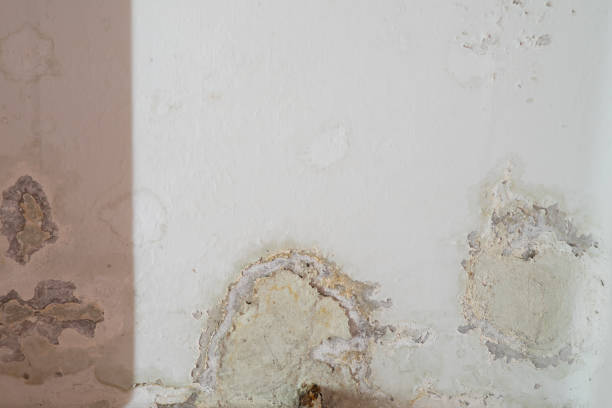
Rainwater leaks into the walls causing permanent damage and yellow stains, peeling wall paint and mold. Rainwater leaks into the walls causing permanent damage and yellow stains, peeling wall paint and mold. mold remediation stock pictures, royalty-free photos & images

Preventing Future Mold Growth

Control Moisture Levels

Since excess moisture is the primary cause of household molds: – Fix leaks promptly in plumbing fixtures or roofs. – Install exhaust fans in high-humidity areas like bathrooms and kitchens. – Invest in dehumidifiers for particularly damp spaces such as basements.

Regular Cleaning Practices

Routine maintenance can keep your home free from conducive conditions: 1. Clean gutters regularly to prevent water accumulation near your foundation. 2. Inspect seals around windows and doors for gaps allowing moisture ingress. 3. Use mildew-resistant paint on walls prone to dampness.

By employing these methods alongside preventive measures, homeowners can successfully eliminate existing mold issues while safeguarding against future infestations that could threaten both their property’s integrity and their family’s well-being.

  • Black, Green, or White Spots: Mold often appears as patches or spots on surfaces such as walls, ceilings, floors, and furniture.
  • Unusual Textures: Look for fuzzy or slimy coatings on materials like wood, drywall, tiles, or fabric.

Signs of Water Damage

Stains and Discoloration: Yellowish or brown stains on walls and ceilings may indicate water damage where mold has started forming.Warping Materials: Buckling floorboards or peeling wallpaper can signal moisture intrusion.Condensation

Health Issues Among Occupants

In addition to allergy symptoms, prolonged exposure to toxic molds can cause more severe health problems such as respiratory infections, fatigue, dizziness, or even neurological effects. If multiple members of your household develop unexplained health issues while at home but recover elsewhere, this could point to a hidden mold problem.

Area Common Indicators
Bathrooms Black spots around bathtubs/showers; grout discoloration
Kitchens Under sinks; behind refrigerators
Basements Damp walls; musty odors
Attics Insulation with visible stains
Laundry Rooms Around washing machines

How To Address Early Signs

Act promptly by addressing moisture issues (e. g. , fixing leaks). 2. Conduct a thorough inspection using a flashlight and checking hard-to-reach spaces. 3. Consider professional testing services if unsure about the extent of contamination. 4. Use protective gear (gloves & masks) when investigating suspected areas yourself.

Early detection mitigates long-term risks associated with structural damage and potential health hazards caused by unchecked mold infestations—make inspections part of your routine home maintenance efforts whenever possible.

Effective Methods for Getting Rid of Mold in Your Home

Below are effective methods to remove mold and prevent its recurrence.

Before starting any mold removal process, evaluate the scope of the infestation:
Small-scale Growth: For areas smaller than 10 square feet, you can typically handle the cleanup yourself with proper precautions.
Extensive Growth: Larger infestations may require professional remediation services to ensure safe and thorough removal.

Safety should be a top priority when dealing with mold.
Respirator Mask: Use an N95 mask or higher-grade respirator to prevent inhaling mold spores.
Gloves: Non-porous gloves made from materials like rubber or neoprene are ideal.
Goggles: Use safety goggles without ventilation holes to protect your eyes from spores and cleaning agents.

Prevent mold spores from spreading to other parts of your home by isolating the contaminated area:
– Close doors and windows in the affected room. – Seal off vents with plastic sheeting and painter’s tape. – Use HEPA-filtered air purifiers during cleanup.

Surface Type Cleaning Method Notes
Hard surfaces Scrub with soap, water, and a stiff brush; rinse thoroughly; dry completely Avoid harsh chemicals unless necessary
Porous materials Remove and discard materials like drywall, insulation, or fabrics that cannot be salvaged Mold penetrates porous surfaces deeply
Non-washable items Wipe down with a mixture of water (1 part) and white vinegar (1 part) Allow vinegar odor to dissipate naturally

For persistent growth on hard surfaces, use commercial mold removers or diluted bleach (1 cup bleach per gallon of water). Never mix bleach with ammonia or other cleaners as it produces toxic fumes.

Mold thrives in damp environments, so addressing moisture is critical for long-term prevention: – Repair leaks in roofs, pipes, or walls promptly. – Ensure proper ventilation in high-humidity areas like bathrooms and kitchens. – Maintain indoor humidity levels below 50% using dehumidifiers or air conditioners.

Materials that cannot be cleaned should be sealed in heavy-duty plastic bags before disposal. Label these bags as “mold-contaminated” if required by local waste management guidelines.

After conducting cleanup efforts: 1. Regularly inspect previously affected areas for new signs of growth. 2. Place humidity sensors in problem-prone spaces for early detection. 3. Consider applying anti-microbial treatments or sealants on vulnerable surfaces.

By following these steps meticulously, you can effectively remove existing mold while minimizing its potential return over time.

Effective Methods for Getting Rid of Mold in Your Home

Fortunately, there are effective methods to address this issue and restore your home to a safe, mold-free environment. Below is a detailed guide on how to remove mold effectively.

Step 1: Identify the Type and Extent of Mold Growth

Before removing mold, it’s essential to assess the extent of the problem. Some types of mold are more harmful than others, such as black mold (Stachybotrys chartarum), which can release toxic spores.

  • Visible Mold:Look for discoloration on surfaces like walls, ceilings, and floors. Mold often appears as green, black, or white patches.
  • Hidden Mold:It might grow under carpets, behind drywall, or in vents. A musty odor often indicates hidden growth.
  • Testing Kits:Consider using an at-home mold testing kit or consult a professional if you’re unsure about the type of mold present.

Step 2: Gather Essential Supplies

To safely remove mold from your home, it’s important to use proper tools and protective equipment.

Supplies Needed Purpose
N95 respirator mask Protects from inhaling spores
Safety goggles Shields eyes from spores
Rubber gloves Prevents skin contact
Plastic sheeting Isolates affected areas
Scrub brushes Used for cleaning surfaces
HEPA vacuum cleaner Removes loose spores
Cleaning solutions (bleach/vinegar) Disinfects surfaces

Step 3: Isolate and Contain the Area

Mold spores can easily spread during removal efforts.

  • Seal off affected rooms with plastic sheeting and duct tape.
  • Turn off HVAC systems to avoid spreading spores through air ducts.
  • Open windows in the room for ventilation.

Step 4: Choose an Appropriate Cleaning Method

  • Non-Porous Materials (e.g., glass or tile):Scrub with a mixture of water and bleach (1 cup bleach per gallon of water). Always wear protective gear when working with harsh chemicals.
  • Porous Materials (e.g., drywall or wood):If heavily infested, these materials often need replacement since mold penetrates deeply into them.
  • Natural Cleaners:For less severe infestations or sensitive areas like bathrooms and kitchens, vinegar or baking soda mixed with water can be effective alternatives.

Step 5: Dry and Dehumidify the Area

  1. Use fans or dehumidifiers to dry all surfaces thoroughly.
  2. Repair leaks or sources of water infiltration promptly.

Tips for Preventing Future Mold

  • Address leaks immediately in plumbing systems or roofing.
  • Ventilate high-moisture areas like bathrooms by using exhaust fans.
  • Regularly clean gutters to prevent water buildup near your home’s foundation.
  • Inspect windows and doors for condensation buildup during colder months.

By following these methods carefully and adopting preventative measures afterward, you can ensure that your home remains free from problematic mold while protecting both its structure and your family’s health.


Effective Mold Removal Florida: A Step-by-Step Guide to Remediation

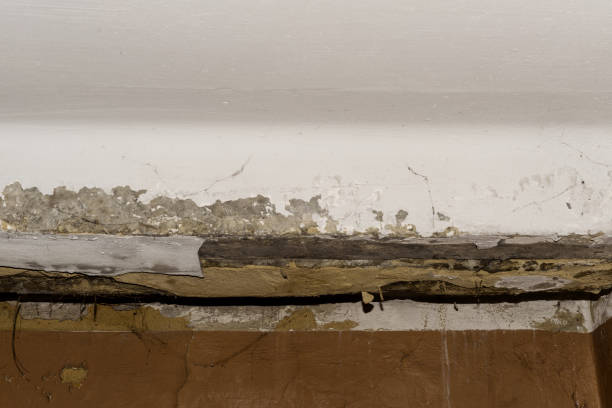
Consequences of leaking roof in the old office room Consequences of leaking roof in the old office room - image mold remediation stock pictures, royalty-free photos & images

Mold remediation is a critical process aimed at identifying, eliminating, and preventing mold growth in residential and commercial spaces. A structured approach ensures that mold is removed safely and effectively without causing harm to individuals or further damage to the property. Below is a step-by-step guide to the mold remediation process.

Step 1: Initial Assessment and Inspection

The first step in mold remediation involves a thorough inspection of the property to identify areas affected by mold growth. Professionals use specialized tools such as moisture meters, infrared cameras, and air quality monitors to detect visible and hidden mold colonies.

Key components of this step: – Visual Inspection: Identifies surface-level mold. – Moisture Mapping: Locates areas with excess moisture leading to mold growth. – Air Quality Testing: Measures spore concentrations in the indoor environment.

This assessment helps determine the extent of the problem and creates a baseline for developing an effective remediation plan.

Step 2: Containment of Mold-Affected Areas

Once problem areas are identified, containment is established to prevent spores from spreading throughout the property during removal. This often involves using physical barriers and negative air pressure systems.

Methods used for containment: – Plastic sheeting sealed with tape around affected zones. – HEPA (High-Efficiency Particulate Air) filtration systems for air control. – Restricted access to contaminated zones during cleanup.

Proper containment minimizes cross-contamination risks and protects unaffected sections of the property.

Step 3: Mold Removal and Cleaning

After containment, the actual removal process begins. Depending on the severity of contamination, professionals may use various techniques ranging from surface cleaning to complete material replacement for heavily infested areas.

Common approaches: 1. HEPA Vacuuming: Removes loose spores from surfaces. 2. Scrubbing with Antimicrobial Solutions: Cleans non-porous materials like tiles or glass. 3. Removal of Porous Materials: Severely damaged drywall, insulation, or carpet may need replacement. 4. Dry Ice Blasting (if necessary): A non-abrasive method used on wood surfaces and hard-to-reach areas.

The effectiveness of this step relies heavily on precision tools, safe handling practices, and proper disposal methods for contaminated materials.

Step 4: Drying and Dehumidification

Since moisture is a primary contributor to mold growth, drying all affected areas is essential after cleaning. Industrial-grade dehumidifiers and air movers are typically used to eliminate excess moisture from walls, floors, and furniture.

Recommended drying practices: – Use dehumidifiers that maintain indoor humidity levels between 30%-50%. – Promote airflow using industrial fans or open windows when weather permits. – Monitor progress with hygrometers or other moisture detection devices.

Effective drying reduces re-contamination risks while ensuring long-term results.

Step 5: Repairs and Restoration

Once all traces of mold have been removed and treated surfaces dried, professionals proceed with restoring damaged structures or materials. Repairs can range from minor paint touch-ups to significant reconstruction work depending on how much destruction was caused by mold infestation.

Examples include: | Damaged Item | Restoration Action | |——————|————————————| | Drywall | Replacement or patchwork | | Flooring | Reinstallation if warping occurred | | Insulation | Removal followed by reinstallation |

Restoration ensures your space is fully functional again while addressing any structural issues caused by prolonged exposure to moisture or decay.

Step 6: Preventative Measures

Preventing future outbreaks requires identifying root causes—such as water leaks—and addressing them immediately. Professionals might recommend regular inspections alongside proactive measures like improving ventilation systems or installing vapor barriers in basements/crawl spaces.

Some effective prevention strategies include: – Fixing leaky roofs or plumbing issues promptly. – Enhancing home ventilation (e.g., using exhaust fans in bathrooms/kitchens). – Applying antimicrobial coatings on vulnerable surfaces prone to dampness (e.g., basement walls).

Taking these steps provides long-term protection against potential recurrences while maintaining healthier indoor environments over time.

Comprehensive Guide to Mold Remediation Florida: Safe and Effective Practices

Mold removal is a critical process for maintaining a healthy living environment, especially in areas prone to moisture buildup. A safe and effective approach not only ensures that mold is eliminated but also prevents its return. Below is a detailed guide outlining best practices for mold removal.

Assess the Extent of the Mold Problem

Before beginning any mold removal process, it’s vital to assess the scope of the issue. This step helps determine whether you can handle the problem yourself or require professional intervention.

  • Small-scale mold: If the affected area is less than 10 square feet, it might be manageable with DIY methods.
  • Extensive mold growth: For larger areas or situations involving HVAC contamination, consult certified professionals.

Assemble Proper Tools and Materials

  • Personal protective equipment (PPE): gloves, safety goggles, N95 respirator mask
  • Plastic sheeting: to isolate affected areas
  • Cleaning supplies: detergent, scrub brushes, sponges
  • Mold-specific cleaning agents or diluted white vinegar
  • HEPA vacuum: for removing loose spores after scrubbing
Tool/Item Purpose
N95 respirator Protects from inhaling mold spores
Plastic sheeting Prevents cross-contamination
HEPA vacuum Captures airborne spores effectively

Contain and Isolate the Area

  1. Seal off doors and vents using plastic sheeting.
  2. Turn off heating or cooling systems to avoid circulating contaminated air.
  3. Establish negative air pressure by using an exhaust fan pointed outdoors.

Remove Contaminated Materials

  1. Carefully cut out and dispose of damaged sections in sealed plastic bags.
  2. Follow local regulations for hazardous waste disposal.
  3. Clean surrounding nonporous surfaces thoroughly.

Cleaning Techniques for Mold Removal

  1. Scrub hard surfaces such as tiles or wood using detergent or a mixture of water and vinegar (1:1 ratio).
  2. Avoid mixing cleaning products like bleach with ammonia due to toxic fumes.
  3. Use a HEPA vacuum after scrubbing to collect debris.

Important: Never underestimate hidden mold behind walls or under floors—professional inspection may be required in such cases.

Ensure Proper Drying

  • Use fans or dehumidifiers to speed up drying processes.
  • Monitor humidity levels; aim for indoor humidity below 50%.

Prevent Future Mold Growth

  1. Fix leaks promptly (plumbing issues, roof damage).
  2. Improve ventilation in high-moisture areas (e.g., bathrooms).
  3. Use moisture barriers in basements if necessary.

Preventive steps are just as important as remediation because mold thrives in damp conditions.

By following these safe and effective practices during mold removal, you can restore a clean environment while addressing risks associated with further contamination or health concerns caused by lingering spores. Always consider professional assistance when dealing with extensive infestations for optimal results.

Coronavirus Pandemic. A disinfector in a protective suit and mask sprays disinfectants in the house or office Coronavirus Pandemic. A disinfector in a protective suit and mask sprays disinfectants in house or office. Protection agsinst COVID-19 disease. Prevention of spreding pneumonia virus with surfaces. mold remediation stock pictures, royalty-free photos & images

Comprehensive Guide to Mold Removal Services Florida Residents Can Trust

Mold removal is a critical process to ensure the safety and health of your property and its occupants. Following a structured and safe approach minimizes risks associated with exposure to mold spores while ensuring effective remediation. Below is a comprehensive guide outlining best practices for safe and efficient mold removal.

1. Assess the Area & Identify the Scope of Contamination

Before removing mold, it’s essential to evaluate the severity of the contamination. Key steps include:
Inspecting affected areas: Look for visible signs of mold growth on surfaces such as walls, ceilings, or furniture.
Identifying hidden mold: Mold can often grow in unseen areas like behind drywall, under flooring, or inside HVAC systems.
Determining the type of mold: Some molds (e.g., black mold) are more hazardous than others and may require specialized treatment methods.

2. Gather Necessary Equipment for Mold Removal

To remove mold safely, proper personal protective equipment (PPE) and tools must be used. Ensure you have:
PPE for safety:
– N95 respirators or better-quality masks to avoid inhaling spores.
– Safety goggles to protect your eyes from airborne particles. – Gloves (non-porous) to prevent skin contact with contaminated surfaces.

  • HEPA vacuum for capturing fine particles and spores.
  • Brushes or sponges for scrubbing affected surfaces.
  • Commercial-grade mold cleaners or a mixture of vinegar and water as a cleaning solution.

3. Contain the Affected Area

Preventing cross-contamination is crucial during remediation:
– Seal off affected zones using plastic sheeting secured with duct tape. – Turn off HVAC systems to minimize spore movement through air circulation. – Use negative air pressure machines when dealing with extensive infestations.

4. Remove Contaminated Materials Safely

Some materials may be too damaged by mold to salvage. Follow these guidelines:
– Porous materials such as carpets, drywall, insulation, or ceiling tiles are often unsalvageable and should be disposed of properly. – Non-porous items like glass, metal, or plastic can usually be cleaned thoroughly using approved cleaning agents.

Table: Salvageability of Common Items

Material Type Likelihood of Salvage Notes
Drywall Low Absorbs moisture; prone to damage
Hardwood floors Moderate May require sanding/refinishing
Upholstered furniture Low Difficult to fully clean
Plastic/Metal/Glass High Easy-to-clean non-porous surfaces

5. Clean & Disinfect All Surfaces

Thorough cleaning is critical in eradicating active spores:
1. Vacuum all surfaces using HEPA filtration technology. 2. Scrub hard surfaces with detergent solutions or specialized products labeled effective against fungal organisms. 3. Use disinfectants after cleaning as an added precaution against regrowth.

6. Address Moisture Issues

Since moisture is a primary cause of mold growth, addressing water sources is crucial:
– Repair leaks in pipes, roofs, or windows immediately. – Ensure proper ventilation in areas prone to high humidity (e.g., bathrooms or basements). – Consider installing dehumidifiers where necessary.

7. Conduct Post-Cleanup Inspections

After completing the cleanup process: 1. Inspect treated areas visually for any remaining signs of contamination. 2. Use air quality testing devices if needed to confirm all spores have been effectively removed.

Following these steps ensures that both health risks and structural damage caused by mold are minimized effectively while creating an environment resistant to future infestations through preventative maintenance measures.

Finding the Best Mold Removal Company Florida for a Healthier Environment

Mold is more than just an unsightly problem—it poses significant risks to both your health and the structural integrity of your home. Whether it appears as black spots on bathroom tiles or a musty odor in damp areas, mold can have far-reaching consequences if not addressed promptly. Let’s take an in-depth look at why mold remediation is vital for maintaining a safe and healthy environment.

The Health Risks of Mold Exposure

  • Respiratory problems: Mold spores can irritate the respiratory system, leading to coughing, wheezing, and shortness of breath.
  • Allergic reactions: Those sensitive to mold may experience sneezing, runny noses, itchy eyes, or skin irritation.
  • Asthma aggravation: Mold can trigger asthma attacks or worsen symptoms in individuals with pre-existing conditions.
  • Mycotoxin concerns: Certain types of mold produce mycotoxins that may cause more severe health effects with prolonged exposure.

Structural Damage Caused by Mold

When left untreated, mold growth can compromise the structural integrity of buildings. Moisture creates an ideal environment for molds to thrive on organic materials such as drywall, wood, and insulation.

  • Wood rot: Prolonged moisture exposure can lead to wood decay, impacting floors, walls, and ceilings.
  • Weakened drywall: Mold eats away at drywall surfaces over time.
  • Damage to insulation: Once infested with mold spores, insulation loses its effectiveness and may need replacement.

The longer mold persists in a property without intervention, the more extensive—and costly—the damage becomes.

Benefits of Timely Mold Remediation

  1. Improved Indoor Air Quality (IAQ)
    Successful remediation reduces airborne spores and eliminates odors caused by microbial growth.
  2. Minimized Health Risks
    Prompt action reduces allergen levels in your home or business while protecting occupants from potential harm.
  3. Preservation of Property Value
    Effective remediation prevents long-term damage and ensures that properties maintain their market value.
  4. Prevention of Further Spread
    Professional intervention stops existing growth from spreading into unaffected areas.

Preventative Strategies for Long-Term Results

Strategy Description
Maintain Proper Ventilation Use exhaust fans in bathrooms/kitchens; open windows for air circulation.
Control Indoor Humidity Levels Keep indoor relative humidity below 50% using dehumidifiers if necessary.
Fix Water Leaks Promptly Repair plumbing leaks or roof damage immediately to inhibit moisture buildup.
Regular Inspections Conduct routine checks in high-risk areas like basements or crawl spaces.

By understanding the dangers posed by unchecked mold growth and taking preventive steps following remediation efforts, you ensure a healthier living environment not only for yourself but also for future occupants or tenants.

Consequences of leaking roof in the old office room Consequences of leaking roof in the old office room - image mold remediation stock pictures, royalty-free photos & images

Understanding the Final Inspection Process in Water Damage Restoration Florida and Mold Prevention Strategies

The final inspection phase is a critical component of the mold remediation process. It ensures that all mold has been effectively removed, the affected areas are free from contamination, and preventative measures have been properly implemented to avoid future growth. Below is a detailed overview of what this process entails and the strategies involved.

Purpose of the Final Inspection

The final inspection serves multiple purposes, such as:
Ensuring thorough remediation: Verifies that all visible mold has been eliminated and hidden areas have been properly addressed.
Checking air quality: Confirms that spore counts in the environment are within safe levels for human occupancy.
Identifying vulnerabilities: Detects any remaining factors like moisture or improper ventilation that may contribute to future outbreaks.

Steps Involved in the Final Inspection

  1. Visual Assessment:
    A qualified inspector looks for signs of visible mold or staining on surfaces. This includes hard-to-reach areas such as behind walls, under flooring, or inside HVAC systems.
  2. Moisture Testing:
    Moisture meters or infrared cameras are used to detect any residual water presence in walls, ceilings, or other structures. Since moisture is a key contributor to mold growth, this step ensures no damp spots remain.
  3. Air Quality Testing:
    Air samples are collected to measure spore levels and assess whether they fall within acceptable limits established by industry standards. Comparisons between indoor and outdoor air samples help determine indoor air quality improvements.
  4. Surface Sampling:
    Swab tests may be performed on previously contaminated areas to confirm that no active mold colonies remain.
  5. Verification of Repairs:
    Any damaged structures like drywall, insulation, or flooring should be repaired during remediation. The inspection verifies these repairs were completed correctly.

Prevention Strategies Post-Remediation

  • Fix leaks in plumbing, roofs, and windows immediately.
  • Ensure proper drainage around your property’s foundation.
  • Use dehumidifiers if humidity exceeds 50%.
  • Install exhaust fans in bathrooms and kitchens.
  • Regularly clean HVAC systems and use high-efficiency particulate air (HEPA) filters.
  • Open windows periodically to improve airflow where possible.
  • Regular Inspections: Conduct periodic checks for potential problem areas like basements or attics where moisture can accumulate unnoticed.

Tools Commonly Used During Final Inspections

Tool Purpose Example
Moisture Meters Detects residual moisture in materials Pin-type meters for deep penetration; non-invasive models for surfaces
Thermal Imaging Cameras Identifies hidden damp spots via temperature differences Infrared cameras showcasing “cold spots” linked with moisture
Hygrometers Measures indoor humidity Digital hygrometers with real-time readings
Sampling Equipment Collects air/surface samples for lab analysis Air pumps with spore traps; sterile swabs

Why Professional Expertise Matters

While DIY methods might seem appealing for cost-saving reasons, a professional ensures every aspect of remediation—including final inspections—is completed according to industry standards (e.g., IICRC S520). Professionals utilize specialized tools and techniques, ensuring thorough results while also advising homeowners on tailored prevention tips.

Overall, investing time into a meticulous final inspection minimizes health risks associated with lingering spores while safeguarding your property against further infestations through proactive measures.

Top Reasons to Prioritize Professional Mold Inspection Florida Services

Mold growth is not only an unsightly problem but also a significant hazard to your health and home. While some minor mold issues may seem manageable through DIY methods, professional mold removal services provide unparalleled expertise and long-term solutions. Below are the key reasons why prioritizing professional mold removal is essential for your well-being and property.

Access to Specialized Expertise and Equipment

  • Trained Technicians: Professionals are equipped with extensive training in identifying various mold species and understanding their behavior. This ensures precise treatment tailored to the specific type of mold in your home.
  • Advanced Tools: Experts use cutting-edge tools like moisture meters, infrared cameras, HEPA vacuums, and air scrubbers. These tools ensure effective remediation that DIY methods often fail to achieve.
  • Comprehensive Inspection: Mold remediation specialists conduct thorough inspections to locate both visible and hidden mold colonies, addressing the root cause of the issue rather than just its symptoms.

Health Concerns Addressed Safely

Mold exposure can lead to serious health problems such as respiratory issues, allergies, skin irritation, and even more severe conditions for individuals with compromised immune systems. Professional services help mitigate these risks by: – Using personal protective equipment (PPE) during remediation to prevent cross-contamination. – Implementing proper containment protocols to isolate affected areas and reduce spore spread. – Ensuring complete removal of hazardous material rather than just cosmetic cleanup.

Saves Time and Prevents Recurrence

Attempting DIY mold removal can be time-consuming, especially without the appropriate knowledge or equipment. Professionals streamline the process by: – Quickly assessing the scope of damage. – Applying industry-approved techniques for faster resolution. – Addressing underlying causes such as plumbing leaks or poor ventilation to prevent future outbreaks.

Additionally, professional services often provide warranties or guarantees on their work, offering peace of mind that you’re protected should issues resurface.

Compliance with Industry Standards

Certified mold remediation companies adhere strictly to established safety guidelines such as those outlined by: | Organization | Guidelines Provided | |————————–|——————————————————————————-| | EPA (Environmental Protection Agency) | Indoor air quality standards and proper cleanup practices | | IICRC (Institute of Inspection Cleaning and Restoration Certification) | Industry-standard procedures for safe and effective remediation |

By following these regulations, professionals ensure that your home or business is returned to a safe condition while meeting legal requirements.

Cost-Efficiency in the Long Term

Although hiring professionals may seem like a higher upfront cost compared to DIY efforts, it can save money in the long run by: – Preventing structural damage caused by untreated or poorly addressed infestations. – Avoiding medical expenses related to prolonged exposure. – Reducing energy costs associated with inefficient HVAC systems impacted by contaminated air ducts.

Peace of Mind Through Insurance Coordination

Many reputable mold remediation companies work directly with insurance providers. They assist homeowners throughout claim processes by documenting evidence of damages and providing necessary paperwork.

Final Thoughts

Professional mold removal services offer comprehensive solutions designed not only to eliminate current issues but also prevent future occurrences. Their specialized knowledge, advanced techniques, adherence to safety standards, and cost-effective measures make them an indispensable resource when dealing with mold problems in any environment.

How to Address Mold Issues Effectively Through Professional Solutions

Why Opt for Professional Mold Remediation?

  • Thorough Assessment: Professionals conduct a comprehensive inspection to identify all areas affected by mold.
  • Specialized Equipment: Expert remediation teams use industry-grade tools such as HEPA vacuums, dehumidifiers, and air scrubbers to address mold-related problems effectively.
  • Health Protection: Proper containment techniques are used to prevent the spread of mold spores, protecting your home’s indoor air quality.
  • Prevention Strategies: Professionals recommend long-term preventative measures to avoid future outbreaks of mold.

Steps Taken by Professionals in Addressing Mold Issues

  1. A detailed inspection identifies the type and extent of mold growth.
  2. Moisture mapping is often conducted to locate hidden sources of moisture contributing to the problem.
  3. Air quality testing may be performed where necessary.
  4. Containment barriers (e.g., plastic sheeting) are used to isolate contaminated areas.
  5. Negative air pressure systems may be employed to keep spores from spreading during cleanup.
  6. Surfaces with mold are either cleaned or removed depending on their condition.
  7. Non-salvageable materials like drywall or carpeting may need replacing.
  8. HEPA filters are used in vacuums and air scrubbers to capture mold spores from the environment.
  9. Sanitizing treatments may be applied to surfaces after cleaning.
  10. Leaks or condensation issues that encourage mold growth are resolved as part of comprehensive remediation efforts.
  11. Once remediation is complete, experts reassess the property to confirm no further signs of contamination remain.

DIY vs Professional Mold Remediation

Aspect DIY Approach Professional Approach
Expertise Limited knowledge & techniques Certified specialists with experience
Equipment Basic household tools Specialized industrial-grade equipment
Health Risks Higher risk due to improper handling Reduced risks with proper containment
Long-Term Prevention May overlook root causes Targeted strategies for prevention

While small surface-level molds might be manageable using DIY methods, larger infestations should always involve professionals for safety reasons and long-lasting results.

Tips for Choosing a Reliable Mold Remediation Service

  • Look for certifications such as IICRC (Institute of Inspection Cleaning and Restoration Certification).
  • Check customer reviews online or ask for references from past clients.
  • Confirm their processes include proper containment measures, safe removal practices, and thorough post-remediation testing.
  • Obtain a clear estimate outlining all costs involved before agreeing on services.

Professional solutions go beyond simply removing visible mold; they target its root causes while safeguarding your home environment against future infestations through proper prevention strategies backed by expertise.


Comprehensive Guide to Mold Remediation Florida Homes Need

Water damaged ceiling roof, brown stain, office building Water damaged ceiling roof, brown stain, office building mold remediation stock pictures, royalty-free photos & images

Mold removal is a multi-faceted process that requires careful planning, execution, and follow-through. Addressing mold growth effectively helps to protect not only the structural integrity of a building but also the health of its occupants. Below, we’ll explore the comprehensive steps involved in removing mold and ensuring it doesn’t return.

Why Mold Removal is Essential

Mold thrives in damp environments and can lead to various health issues, including respiratory problems, allergic reactions, and skin irritation. Beyond health risks, mold can damage walls, ceilings, furniture, and even foundational structures if left untreated. Understanding how to properly eliminate mold is key to mitigating these risks.

The Key Components of Mold Removal

  1. Identify areas affected by mold growth using visual inspections or tools like moisture meters.
  2. Determine the type of mold present with professional testing if necessary.
  3. Isolate areas with heavy contamination using barriers like plastic sheeting or negative air machines to prevent spores from spreading during removal.
  4. Use HEPA filters (High-Efficiency Particulate Air) during remediation to capture airborne spores and maintain clean indoor air quality.
  5. Safely remove porous materials (e.g., drywall or carpeting) that cannot be salvaged due to contamination severity.
  6. Clean non-porous surfaces thoroughly with specialized cleaning agents designed for mold remediation.
  7. Repair leaks or address high humidity levels that contributed to mold formation initially.
  8. Apply anti-microbial treatments in vulnerable areas as a preventive measure against recurrence.

Common Tools Used During Mold Removal

Equipment Purpose
HEPA Vacuum Captures fine particles such as spores from surfaces
Protective Gear (PPE) Ensures safety by reducing exposure to spores
Air Scrubbers Removes airborne contaminants during remediation
Dehumidifiers Reduces excess moisture levels

Tips for Effective Mold Removal

  • Always address the underlying causes of moisture before starting remediation.
  • Avoid DIY solutions unless you are trained in proper techniques; improper handling can worsen contamination.
  • Seek professional help when dealing with extensive infestations or toxic black molds like Stachybotrys chartarum.
  • Regularly inspect high-risk areas such as basements, crawl spaces, bathrooms, and kitchens.

By following an organized approach to mold removal and adopting preventative measures post-removal, you can create healthier indoor environments free from harmful contaminants.

Effective Mold Removal Services Florida: Why Containment Matters During Remediation

Mold containment is a critical step in the remediation process to prevent the spread of mold spores to unaffected areas of a home or building. Without proper containment methods, mold can easily travel through air or attach itself to surfaces, leading to further contamination and health risks. This section explains why containment is vital during mold removal and outlines effective strategies for implementing it.

Why Mold Containment is Crucial

  • Prevents Cross-Contamination: Mold spores are microscopic and can become airborne during the remediation process, contaminating clean areas.
  • Protects Occupants’ Health: Exposure to airborne mold spores can cause respiratory issues, allergies, or exacerbate existing health conditions.
  • Improves Efficiency: Proper containment isolates the affected area, allowing professionals to focus their efforts on targeted remediation without worrying about secondary contamination.

Key Techniques for Effective Mold Containment

  1. Conduct a thorough assessment of visible and hidden mold growth.
  2. Use moisture meters or infrared cameras to detect areas at risk of infestation.
  3. Utilize polyethylene sheeting (6-mil thickness or higher) to create barriers around contaminated spaces.
  4. Seal off doorways and vents with zipper doors or taped sheeting.
  5. Install HEPA-filtered air scrubbers that create negative air pressure within the contained space.
  6. This prevents contaminated air from escaping into surrounding areas.
  7. Restrict entry into the containment zone only to trained personnel equipped with appropriate personal protective equipment (PPE).
  8. Ensure tools used in the zone remain within the area until they are properly decontaminated.
  9. Place adhesive tack mats at exits of the containment area to capture dust and spores that may cling to workers’ shoes or equipment.

Types of Containment Systems

Containment Type Description
Limited Containment Suitable for small-scale infestations (under 10 square feet).
Full Containment Necessary for larger infestations where extensive demolition may be needed.

Best Practices for Maintaining Containment Integrity

  • Monitor sealed barriers regularly for tears or damage.
  • Verify that negative air pressure is consistently maintained using manometers.
  • Minimize movement in and out of the contained area as much as possible.

By adhering to these practices, you can significantly reduce the risk of spreading dangerous mold spores while safeguarding both property and health during remediation efforts.

Choosing the Right Mold Removal Company Florida for Effective Containment During Remediation

Mold containment is a critical component of the remediation process. It helps to prevent the spread of mold spores to unaffected areas, protecting both the building structure and its occupants. Without proper containment, airborne mold particles can rapidly migrate, leading to further contamination and potential health hazards. Here’s a detailed overview of why mold containment is essential and how it is effectively implemented during remediation.

Why Mold Containment Matters

  1. Preventing Cross-Contamination
    Mold spores are microscopic and can easily become airborne when disturbed. Without containment, these spores may infiltrate adjacent rooms or HVAC systems, spreading the infestation further.
  2. Protecting Health
    Exposure to mold spores can trigger allergies, respiratory issues, and other health problems for building occupants and workers involved in remediation.
  3. Minimizing Costs
    Containing the affected area limits the extent of cleanup required, reducing both time and expenses associated with additional remediation efforts.

Key Steps in Mold Containment

  • Establishing Negative Air Pressure
    Negative air pressure ensures that air flows into the contaminated area but does not escape outside of it. This method prevents mold spores from migrating to clean spaces.
  • Sealing Off Affected Areas
    Plastic sheeting (6-mil or thicker) is often used to create barriers around contaminated zones such as walls, ceilings, or floors.
  • Using Airlocks and Zipper Doors
    Temporary airlocks or zipper doors allow controlled access for workers while keeping mold spores contained within a specific area.
  • Deactivating HVAC Systems
    The heating, ventilation, and air conditioning (HVAC) system should be turned off in the contaminated zone to stop spores from circulating through ducts into other parts of the building.

Tools Commonly Used in Mold Containment

Tool/Equipment Purpose Example Usage
Plastic Sheeting Creates physical barriers Cover walls or enclose work zones
HEPA Filters Traps airborne mold spores Installed in negative air machines
Negative Air Machines Maintains airflow direction Prevents spore migration
Tape & Fasteners Secures plastic sheeting Ensures tight seals around barriers

Best Practices for Maintaining Containment

  1. Regularly inspect barriers for tears or gaps that could compromise containment.
  2. Ensure workers wear proper personal protective equipment (PPE), such as masks, gloves, goggles, and suits.
  3. Clean tools thoroughly after use to avoid transferring contamination.
  4. Dispose of waste materials correctly — bagging them in sealed containers before removal from the site.
  5. Maintain negative pressure at all times until remediation is complete.

By implementing robust containment measures during mold remediation projects, professionals can mitigate risks effectively while ensuring safe living or working conditions for all occupants involved in the process.

Housekeeper's Hand With Glove Cleaning Mold From Wall With Sponge And Spray Bottle Close-up Of A Shocked Woman Looking At Mold On Wall mold removal stock pictures, royalty-free photos & images

Effective Water Damage Restoration Florida: Air Filtration for Mold Removal

Effective air filtration is a critical component of mold remediation, as it ensures the containment and removal of airborne mold spores during the cleanup process. Mold spores are microscopic and can easily become airborne during remediation, increasing the risk of further contamination and potential health issues. Implementing proper air filtration techniques helps to maintain a safe environment for both workers and occupants.

Why Is Air Filtration Crucial?

  • Capturing microscopic mold spores.
  • Reducing cross-contamination between affected and unaffected areas.
  • Improving indoor air quality during and after remediation.

Types of Air Filtration Systems

  1. Capable of trapping particles as small as 0.3 microns at an efficiency rate of 99.97%.
  2. These filters are essential for capturing airborne mold spores effectively.
  3. Often paired with HEPA filters to eliminate odors associated with mold growth.
  4. Useful in situations where musty smells linger after cleaning.
  5. Portable units that use HEPA filters to remove contaminants from the surrounding air.
  6. Ideal for localized areas undergoing remediation.
  7. Create negative pressure in enclosed spaces to prevent contaminated air from spreading to clean areas.
  8. Often used with containment barriers for maximum effectiveness.
Filter/System Type Primary Function Typical Use Case
HEPA Filter Traps fine particles like mold spores Standard tool for all remediation projects
Activated Carbon Filter Removes odors Supplementary to HEPA filters
Air Scrubber Cleans polluted air Portable solution for specific zones
Negative Air Machine Prevents cross-contamination Enclosed spaces with containment setups

Steps to Implement Effective Air Filtration

  1. Set Up Containment Zones:
    Use plastic sheeting or other barriers to create isolated zones where remediation will occur.
  2. Install Negative Pressure Systems:
    Place negative air machines at the containment entry/exit points to prevent airflow into unaffected areas.
  3. Position HEPA Filters Strategically:
    Install HEPA-filtered devices near work areas where disturbance of materials may release spores into the air.
  4. Regularly Inspect Equipment:
    Replace filters as needed according to manufacturer guidelines to maintain efficiency throughout the process.
  5. Monitor Air Quality Post-Remediation:
    Use professional testing equipment or hire certified technicians to confirm that spore levels have returned to acceptable thresholds before removing containment barriers.

Additional Tips for Optimal Results

  • Ensure all workers wear proper personal protective equipment (PPE), including respirators equipped with P100 filters.
  • Keep doors and windows closed during active remediation unless necessary ventilation is required.
  • Always clean HVAC vents if they were exposed during a contamination event, as spores can settle within ducts and redistribute later on.

By incorporating these proven techniques into your mold removal strategy, you can significantly reduce risks while ensuring healthier indoor environments post-remediation efforts.

How to Conduct a Safe Mold Inspection Florida Homeowners Can Trust

Proper removal and disposal of mold-infested materials are critical steps in the remediation process. Neglecting to handle contaminated items carefully can result in further mold spread, health risks, and contamination of unaffected areas. Below is a comprehensive guide to ensure safe and effective disposal practices.

Assessing the Level of Contamination

  • The type of material: Porous materials like drywall, ceiling tiles, carpets, and upholstered furniture are often difficult to clean thoroughly and may need to be discarded.
  • Extent of mold growth: Heavily infested items with visible damage may pose continued risks and should be removed.
  • Material value or significance: Non-replaceable or high-value items may warrant professional restoration services rather than disposal.

Safe Removal Guidelines

  1. Use gloves (preferably nitrile or rubber), protective eyewear, N95 respirators or higher-grade masks, disposable coveralls, and shoe covers.
  2. Isolate work zones using plastic sheeting and tape to prevent mold spores from traveling to unaffected spaces.
  3. Avoid excessive cutting or breaking apart materials during removal as this releases spores into the air.
  4. Place discarded materials in heavy-duty garbage bags (6 mil thickness recommended) and seal tightly before placing them into a second bag for additional containment.
  5. Vacuum surfaces using a HEPA-filtered vacuum cleaner followed by wiping down areas with an EPA-approved antimicrobial cleaner.

Proper Disposal Practices

Disposal Step Best Practice Recommendations
Labeling Mark bags clearly as “mold-contaminated waste.”
Immediate Transport Remove the waste from the property as soon as possible; do not leave it stored indoors or near vents.
Local Guidelines Check municipal rules on disposal; some areas may require specific handling at designated facilities.

Items That May Be Salvageable

  • Steam cleaning for hard surfaces (e.g., metals, glass)
  • Professional laundering for textiles treated with antifungal detergents
  • Restoration services for valuable papers or books

Preventative Measures After Removal

After disposing of contaminated materials safely: – Inspect remaining structural elements like walls or subfloors for signs of hidden mold. – Address any underlying moisture issues that contributed to the outbreak.

By following these practices diligently, you can significantly reduce health risks while ensuring a safer indoor environment moving forward.

Thorough Cleaning of Belongings Affected by Mold Contamination

When dealing with mold contamination, it’s essential to properly clean and restore belongings to ensure they are safe for use and free from harmful mold spores. This step is a critical part of the broader remediation process, as improperly cleaned items can reintroduce mold into a space, leading to recurring issues. Below is a detailed guide on how to thoroughly clean and restore belongings affected by mold.

Key Considerations Before Cleaning Mold-Affected Items

  1. Porous materials (e.g., upholstered furniture, paper, or textiles) are more challenging to clean because mold can penetrate deeply into their structure. If an item is heavily contaminated, disposal may be the safer choice.
  2. Non-porous or semi-porous materials (e.g., glass, metal, or hard plastics) are generally easier to clean.
  3. Always wear gloves, goggles, and an N95 respirator mask while handling mold-contaminated items.
  4. Ensure you are working in a well-ventilated area or utilize negative air pressure systems if indoors.
  5. Isolate items affected by mold from unaffected belongings to prevent cross-contamination.
  6. Place smaller contaminated objects in sealed plastic bags until they can be cleaned or disposed of.

Cleaning Methods for Affected Belongings

Material Type Recommended Cleaning Method
Hard Surfaces (e.g., glass, metal) Wipe down with soap and water followed by a disinfectant like hydrogen peroxide or diluted bleach.
Textiles and Fabrics Wash in hot water with laundry detergent and vinegar. For severe cases, consult professional dry cleaners who specialize in mold removal.
Wood Furniture Clean with mild soap and water; avoid over-saturating the surface as moisture retention can lead to further mold growth. Sanding may be required for heavily infested areas followed by sealing the wood afterward.
Paper Documents Use HEPA vacuuming on dry documents followed by freezing techniques (lyophilization) if professional restoration is required.
Electronics Avoid direct application of cleaning solutions; consult electronics repair experts for safe cleaning procedures.

Steps for Effective Mold Removal from Belongings

  1. Vacuuming with HEPA Filters
    Use a vacuum equipped with HEPA filters to remove loose spores from surfaces before applying any cleaning solutions.
  2. Use Appropriate Cleaning Agents
    Disinfectants such as vinegar or antimicrobial sprays are effective against most strains of household molds without introducing harsh chemicals into your environment.
  3. Dry Thoroughly After Cleaning
    Moisture left behind after cleaning provides the perfect environment for new mold colonies to form:

    • Use dehumidifiers or place cleaned items under direct sunlight for faster drying.
    • Ensure airflow around drying items by using fans where appropriate.
  4. Inspect Items Post-Cleaning
    Look closely at each item once cleaned and dried:

    • Discoloration may indicate residual damage that cannot be remediated fully.
    • If musty odors persist after cleaning, consider additional treatments like ozone generators (used only under professional guidance).

When to Seek Professional Help

For valuable heirlooms, sensitive electronics, or extensive infestations on critical belongings (e.g., mattresses), enlisting professionals who specialize in content cleaning may provide better results than DIY efforts alone.

Thoroughly addressing every affected item during the remediation process not only safeguards personal possessions but also helps ensure that your space remains free from future contamination risks caused by overlooked sources of mold spores. Always prioritize safety during this process and seek expert guidance when needed for complex situations involving cherished valuables or irreplaceable belongings.

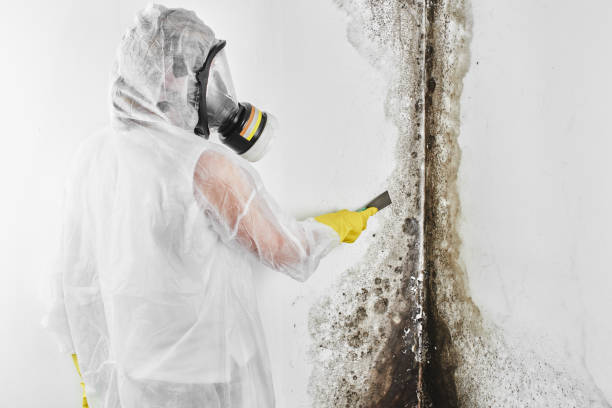
A professional disinfector in overalls processes the walls from mold with a spatula. Removal of black fungus in the apartment and house. Aspergillus. A professional disinfector in overalls processes the walls from mold with a spatula. Removal of black fungus in the apartment and house. Aspergillus. mold removal stock pictures, royalty-free photos & images

Effective Structural Drying Solutions for Mold Removal Florida Residents Can Rely On

Structural drying is a critical component in mold remediation and prevention. Left unchecked, excessive moisture can weaken building materials, create an environment conducive to mold growth, and lead to long-term structural damage. Implementing effective structural drying techniques not only halts the spread of mold but also safeguards the integrity of a building’s structure. Let’s explore how this process works and why it’s so vital.

Why Moisture Control is Essential

  • Leaks from pipes, roofs, or appliances
  • Flooding incidents
  • Poor ventilation or high humidity levels
  • Condensation due to temperature imbalances

If moisture isn’t addressed swiftly and thoroughly, it creates a breeding ground for mold spores. Furthermore, prolonged exposure to water can deteriorate drywall, wood framing, insulation, and flooring materials.

Steps Involved in Structural Drying

  1. Identifying areas with high moisture content by using tools such as moisture meters or infrared cameras.
  2. Determining whether hidden spaces like wall cavities or subflooring have been impacted.
  3. Removing standing water using pumps or vacuums.
  4. Ensuring no residual pooling remains on floors or low-lying surfaces.
  5. Deploying high-powered air movers to promote airflow across wet surfaces.
  6. Accelerating evaporation rates by circulating warm air effectively.
  7. Using industrial-grade dehumidifiers to extract moisture from the air.
  8. Reducing indoor relative humidity levels to below 50%, which discourages mold growth.
  9. Continuously checking for remaining damp spots using specialized equipment.
  10. Adjusting drying strategies as needed based on environmental conditions.

Tools and Equipment for Structural Drying

Tool/Equipment Purpose
Moisture Meters Measure moisture levels in walls, flooring, or other materials
Infrared Cameras Detect hidden pockets of water behind surfaces
Air Movers Increase airflow over affected areas for faster drying
Dehumidifiers Remove excess humidity from indoor air
Hygrometers Monitor relative humidity throughout the space

Benefits of Structural Drying During Mold Remediation

  • Prevents Future Mold Growth: By eliminating residual moisture completely, it reduces the likelihood of recurring contamination.
  • Protects Building Integrity: Drywall, wood framing, and other materials are preserved instead of being replaced unnecessarily.
  • Minimizes Health Risks: Proper drying limits airborne spores that could otherwise pose respiratory hazards.
  • Cost Savings Over Time: Preventative measures like structural drying are far less expensive than repairing extensive damage caused by neglected water issues.

Addressing Hidden Moisture Concerns

One common oversight during remediation is failing to address hidden sources of moisture. Spaces such as behind walls, under flooring systems, or inside HVAC ducts often harbor trapped water that isn’t immediately visible but still contributes significantly to long-term problems if ignored during remediation efforts. Using advanced tools like thermal imaging helps identify these concealed risks early in the process.

By incorporating thorough structural drying practices into your overall mold removal strategy, you ensure not only immediate relief but also lasting protection against future outbreaks—preserving both safety and property value over time.

How Structural Drying Prevents Damage from Moisture and Aids in Mold Removal

Structural drying is a critical step in mold remediation, designed to address excess moisture that contributes to mold growth. By effectively removing water and restoring proper humidity levels, structural drying minimizes further damage while creating an environment unfavorable for mold proliferation. Below, we explore the importance of structural drying, its methods, and how it supports both mold removal and long-term prevention.

The Role of Moisture in Mold Growth

  • Water leaks from plumbing or roofing
  • Flooding incidents
  • Condensation on windows or walls
  • High indoor humidity levels

When these issues are not addressed promptly, they can lead to the development of hidden mold colonies within walls, ceilings, or beneath flooring. Structural drying is key to mitigating these risks.

Benefits of Structural Drying

  • Prevents secondary damage: Water not only damages materials such as drywall and wood but also weakens the integrity of structures over time.
  • Stops mold growth at its source: Removing excess moisture eliminates one of the primary conditions necessary for mold reproduction.
  • Reduces remediation costs: Addressing moisture early prevents larger-scale repairs that could result from prolonged exposure.

By incorporating structural drying into the mold removal process, professionals ensure optimal results while protecting the property’s value.

Methods Used in Structural Drying

  1. Using industrial-grade pumps or vacuums to remove standing water quickly from affected areas.
  2. High-powered air movers are strategically placed around a space to increase airflow across surfaces like walls and floors.
  3. This enhances evaporation rates for lingering moisture within materials.
  4. Dehumidifiers reduce indoor humidity by collecting vaporized water from the air.
  5. Refrigerant dehumidifiers are effective for cooler environments, while desiccant dehumidifiers work well in more extensive restoration projects.
  6. Technicians use meters and sensors to track moisture levels in building materials continuously.
  7. Data from monitoring ensures complete dryness before proceeding with rebuilding or restoration efforts.
Equipment/Technique Purpose Example Use Cases
Industrial Vacuums Rapid removal of standing water Flooded basements
Air Movers Enhancing evaporation Wet carpets or drywall
Dehumidifiers Lowering indoor humidity Post-leak restoration
Moisture Meters/Sensors Measuring dryness levels Ensuring material readiness

Long-Term Impact on Mold Prevention

  • Encourages faster identification of potential vulnerabilities (e.g., leaky pipes).
  • Supports healthy indoor air quality by reducing dampness-related pollutants.
  • Prevents warping or rotting that would otherwise create spaces conducive to new mold growth.

Proper structural drying not only facilitates effective mold removal but also safeguards against recurring problems stemming from persistent moisture issues. Integrating this essential step into any remediation plan is vital for maintaining a safe, habitable environment over time.


What to Expect from Mold Removal Services Florida and How Professionals Handle the Process

Female worker of cleaning service removes mold from wall using spray bottle with mold remediation chemicals and scraper tool. Female worker of cleaning service removes mold from wall using spray bottle with mold remediation chemicals, mold removal products and scraper tool. mold removal stock pictures, royalty-free photos & images

Mold remediation is an essential process for protecting your home or workplace from potential health hazards and structural damage caused by mold growth. If you’re planning to hire professionals for this task, understanding what to expect during the process can help you feel more confident and prepared.

Initial Assessment and Inspection


– Identify areas affected by mold growth.

– Use specialized tools such as moisture meters, infrared cameras, or air sampling equipment to locate hidden mold colonies.

Once the inspection is complete, they provide a detailed report outlining:
– The type(s) of mold present (if testing was conducted).
– Areas requiring immediate attention.
– Recommended steps for remediation.

Containment of Affected Areas

To prevent mold spores from spreading to unaffected areas, professionals set up containment measures such as:
– Sealing off contaminated rooms with plastic sheeting and duct tape.
– Using negative air machines equipped with HEPA filters to create a pressure barrier.

This step ensures that airborne spores don’t escape into clean spaces during removal efforts.

Mold Removal Process

  1. Surface Cleaning: For nonporous surfaces like glass or metal, they use antimicrobial cleaners and scrubbing tools to remove visible signs of mold growth.
  2. Porous Material Removal: If drywall, carpets, or insulation are heavily contaminated, they are safely removed and disposed of according to local regulations.
  3. Vacuuming with HEPA Filters: High-Efficiency Particulate Air (HEPA) vacuums capture microscopic spores that may linger after cleaning surfaces.
  4. Air Scrubbing: Airborne spores are eliminated using advanced air scrubbers with HEPA filtration systems.
Type of Surface Cleaning Method Disposal Required?
Nonporous (e.g., tile) Antimicrobial cleaner No
Porous (e.g., carpet) Full material removal Yes
Semi-porous (e.g., wood) Sanding & sealing Sometimes

Addressing Moisture Problems

Mold thrives in damp conditions; therefore, resolving moisture issues is crucial for long-term prevention. Professionals may recommend actions such as: – Repairing leaks in roofs, walls, or plumbing systems. – Improving ventilation in areas like bathrooms and kitchens. – Installing dehumidifiers in particularly humid spaces.

Post-Cleanup Verification

After removal efforts are completed successfully: 1. Professionals conduct follow-up testing or visual inspections to confirm no remaining signs of active mold. 2. Homeowners receive advice on monitoring humidity levels and maintaining proper airflow throughout their property.

By following these carefully designed steps, professional remediation services provide not only effective solutions but also peace of mind that your space is safe from future infestations.

Effective Solutions from a Mold Removal Company Florida Residents Trust

Mold growth is a common issue in homes and commercial spaces, often leading to health and structural problems if left unaddressed. To tackle mold effectively, it is essential to understand what causes it and identify strategies to prevent its spread.

Common Causes of Mold Growth

Mold thrives in specific environments that provide the right conditions for its spores to grow.

  1. Leaking pipes or roofs
  2. High humidity levels (above 60%)
  3. Poor ventilation in bathrooms, kitchens, or basements
  4. Most molds grow well in temperatures between 60°F and 80°F (16°C–27°C).
  5. Mold feeds on organic matter like wood, drywall, fabric, and even dust particles.
  6. Areas with persistent water leaks or flooding are breeding grounds for mold.

Steps to Address Mold Effectively

Once mold growth is detected, addressing it promptly can prevent further damage.

  • Identify the Source of Moisture:
    Without resolving the moisture issue, mold will continue to reappear. Inspect common problem areas such as plumbing fixtures, HVAC systems, windowsills, and poorly ventilated spaces.
  • Improve Ventilation:
    Use exhaust fans in high-moisture areas such as kitchens and bathrooms to reduce humidity levels.
  • Control Indoor Humidity Levels:
    Invest in a dehumidifier if your area has naturally high humidity or if your home collects excessive moisture during certain seasons. Aim for an indoor humidity level of 30%-50%.
  • Fix Leaks Immediately:
    Repair leaking pipes, faulty gutters, or damaged roofs as soon as possible.

Preventative Maintenance Tips

Routine Maintenance Tasks Frequency
Inspect plumbing for leaks Monthly
Clean gutters Biannually
Check HVAC systems Annually
Seal windows/doors properly Annually
Use exhaust fans when showering/cooking Daily

Natural Methods for Prevention

  • Use vinegar solutionsperiodically on surfaces prone to dampness.
  • Add baking sodainto carpets before vacuuming—it absorbs excess moisture.
  • Place charcoal deodorizersor silica gel packets around humid areas like closets or basements.

Understanding these fundamentals helps create an environment where mold struggles to thrive while keeping your home healthier long-term.

Effective Steps for Water Damage Restoration Florida and Contaminated Area Isolation During Mold Removal

Proper isolation of the contaminated area is one of the most critical steps during mold removal. This process prevents the spread of mold spores to unaffected areas of a home or building. Professionals carefully follow specific procedures and utilize specialized tools to ensure successful containment. Below, we break down how this process works and why it’s essential.

Why Isolation Matters

Mold spores are microscopic and easily become airborne during cleaning or removal. Without proper containment, these spores can settle in other parts of the property, potentially leading to further contamination.
– Protect occupants from exposure to mold spores.
– Prevent cross-contamination in unaffected areas.
– Ensure that remediation efforts are efficient and thorough.

Tools and Materials Used for Containment

Professionals rely on certain tools and materials to create barriers between the contaminated area and the rest of the property:
Plastic Sheeting (6-mil or thicker):Used to seal off doors, windows, vents, and HVAC openings.Negative Air Machines:These machines create negative pressure within the contaminated zone to prevent airborne particles from escaping.Zippered Containment Doors:Allow controlled access in and out of enclosed spaces.HEPA Filters:Capture tiny mold particles that may escape into surrounding air.

Each tool plays a specific role in minimizing contamination risks during remediation efforts.

Key Steps in Isolating a Mold-Contaminated Area

  1. Assessing the Scope of Damage
    Before isolation begins, professionals evaluate how widespread the contamination is. They identify all affected surfaces and determine if hidden mold exists behind walls or under flooring.
  2. Establishing Physical Barriers
    The next step involves setting up plastic sheeting over doorways, windows, or vents leading out from the work zone. Taping down edges tightly ensures that no gaps remain through which mold spores could escape.
  3. Installing Negative Air Pressure Systems
    Once barriers are established, remediation teams use negative air machines connected to HEPA filters to reduce air pressure inside the work area relative to adjacent spaces. This setup draws any stray particles inward rather than allowing them outward diffusion.
  4. Disabling HVAC Systems
    To avoid spreading spores through a home’s ventilation system, professionals temporarily shut down heating or cooling systems within contaminated zones until remediation is complete.
  5. Creating Controlled Entry Points
    Zippered doors enable technicians to enter or exit safely without compromising containment integrity during equipment transport or material disposal activities.

Common Mistakes During Isolation

Mistake Consequence Solution
Using thin plastic sheeting Tears easily under tension; allows spore leakage Use durable 6-mil+ polyethylene
Improper sealing Gaps allow airflow movement outside isolated zones Double-check all taped edges
Ignoring HVAC involvement Spores circulate through ventilation systems Temporarily turn off HVAC units

Final Considerations on Mold Containment

Effective isolation not only safeguards health but also ensures that cleanup costs remain manageable by preventing additional contamination elsewhere in your home or workplace environment.

By implementing these measures methodically during remediation projects – whether small-scale DIY fixes involving minimal risk factors OR larger commercial-level jobs requiring licensed contractor expertise – homeowners achieve peace-of-mind knowing potential hazards addressed head-on effectively

Mold removal. A man cleans mold from a wall using a sprayer and a sponge. Insect and mold removal company. Cleaning Specialist. Specialist of sanitary and epidemiological service. Mold removal. A man cleans mold from a wall using a sprayer and a sponge. Insect and mold removal company. Cleaning Specialist. Specialist of sanitary and epidemiological service. mold removal stock pictures, royalty-free photos & images

Expert Tips for Mold Inspection Florida: How to Detect and Treat Mold Under the Carpet

Mold growth under carpets can be a persistent issue, especially in areas with high humidity or water damage. If left untreated, it can lead to unsightly stains, unpleasant odors, and even health concerns such as allergies and respiratory issues. Here’s how you can efficiently detect and treat mold lurking under your carpet.

Signs of Mold Growth Under Carpets

Mold growth beneath carpets can sometimes go unnoticed until it becomes severe.

  • Musty Odors: A persistent musty or earthy smell is often one of the first signs of mold.
  • Discoloration: Visible dark spots or stains on the surface of the carpet may signal underlying mold.
  • Dampness: Wet or damp areas on carpets that remain even after drying can promote mold growth.
  • Allergy Symptoms: Unexplained allergy symptoms like sneezing, coughing, or skin irritation may arise if mold is present.
  • Lifting Edges: Mold growth under carpets might cause the edges to curl up due to excess moisture.

Steps for Detecting Mold Under Carpets

  1. Focus on areas prone to moisture exposure, such as near windows, sinks, basements, and underneath furniture.
  2. Use gloves and slowly lift the edge of the carpet to examine its underside and the flooring underneath.
  3. Check for black, greenish, or white patches that may indicate mold colonies.
  4. A flashlight helps in spotting discoloration in dimly lit areas.
  5. Sniff closely at suspected areas for concentrated musty odors.
  6. Use at-home mold detection kits or hire professionals if you need further confirmation.

Treating Mold Under Carpets

  1. Equip yourself with gloves, goggles, an N95 mask, and long-sleeved clothing to avoid exposure.
  2. Open windows or use fans for proper airflow during cleaning.
  3. For severe infestations where cleaning isn’t possible, cut out affected portions using a utility knife.
  4. Bag contaminated pieces securely before disposal.
  5. Use a mixture of water and detergent (or vinegar) to scrub subfloor surfaces.
  6. Apply commercial anti-mold solutions for added protection against future regrowth.
  7. Ensure all surfaces are completely dry before laying down new carpeting or padding.
  8. Steam-clean carpets using high-temperature water to kill any remaining spores.

Preventing Future Mold Growth Under Carpets

Prevention Method Description
Control Humidity Use dehumidifiers in damp rooms; maintain indoor humidity below 50%.
Fix Leaks Promptly Install waterproof barriers near plumbing fixtures; repair leaks quickly.
Proper Ventilation Ensure good airflow by opening windows regularly or using exhaust fans.
Waterproof Padding Opt for carpet padding that resists moisture when installing new carpets.
Regular Cleaning Vacuum regularly and deep-clean carpets periodically to remove dirt buildup.

Detecting and addressing mold early not only improves indoor air quality but also extends your carpet’s lifespan while maintaining a healthier living space.

Removing Damaged Materials Safely During Mold Remediation

Mold remediation is a critical process aimed at restoring safety and health to your living or working environment. An essential part of this process involves the safe removal of materials that have been contaminated or irreparably damaged by mold growth. Professional handling during this stage is vital to prevent further contamination, ensure safety, and prepare the space for restoration.

Why Proper Removal of Damaged Materials is Crucial

When mold infiltrates porous materials like drywall, wood, carpets, or insulation, it can spread rapidly and compromise the structural integrity of these items. Simply cleaning these materials might not be enough since mold spores can embed deeply within them.

  • The risk of continued mold growth.
  • The spread of mold spores to unaffected areas.
  • Health risks associated with exposure to airborne mold particles.

Improper handling at this stage may aggravate the problem by releasing spores into the air, creating new contamination zones.

Steps for Safe Removal of Mold-Damaged Materials

  1. Inspect all affected areas thoroughly to determine which materials are salvageable and which need removal.
  2. Identify porous materials like drywall, carpets, insulation, or ceiling tiles that cannot be effectively cleaned.
  3. Seal off contaminated zones using plastic sheeting and negative air pressure systems to prevent spores from spreading during removal.
  4. Wear appropriate PPE such as gloves, goggles, masks (e. g.
  5. Cut away small sections of drywall rather than breaking large panels to minimize dust and spore release.
  6. Roll up carpets carefully and bag them in heavy-duty plastic before transporting them out.
  7. Place contaminated items in sealed bags labeled as hazardous waste before disposal in accordance with local regulations.
  8. Ensure that debris does not linger in open spaces where it could reintroduce spores into the environment.
  9. Vacuum surrounding surfaces with HEPA-filtered vacuums post-removal.
  10. Use antimicrobial solutions on non-porous surfaces adjacent to the removed material’s location for additional protection.

Commonly Removed Items During Mold Remediation

Material Reason for Removal Alternative Action (if applicable)
Drywall Porous surface allows deep mold growth Replace with new drywall
Carpets Mold embeds into fibers Replace; consider hard flooring
Insulation Absorbs moisture easily Replace; use moisture-resistant types
Wood (Severe Damage) Warping or deep cracks caused by moisture Sand & treat mild cases; replace severe cases

Tips for Homeowners During This Process

  • Avoid entering work zones unless authorized by professionals.
  • Confirm that all contractors dispose of contaminated waste properly per local guidelines.
  • Monitor air quality improvements after material removal—persistent odors or symptoms may indicate incomplete remediation efforts.

By addressing damaged materials promptly and systematically during remediation efforts, you ensure a healthier living environment while preventing future complications related to lingering contamination risks.

Step-by-Step Guide to Mold Removal Florida Homeowners Can Trust

Mold remediation is a systematic process designed to remove mold infestations and prevent their return. Understanding the steps involved can provide homeowners with insight into what to expect and how professionals handle such situations.

– Determine the type of mold, if necessary, through lab testing.

Step 1 Containment of Affected Areas

– Installing negative air pressure machines equipped with HEPA filters.

These measures ensure that microscopic spores do not migrate during cleaning.

Step 2: Air Filtration

Air filtration plays a significant role in maintaining air quality during remediation. Professionals utilize advanced equipment, including: – HEPA air scrubbers that capture airborne mold spores. – High-powered vacuums fitted with HEPA filters for surface cleaning.

This step is crucial in reducing the risk of inhaling harmful particles during and after the removal process.

Step 3: Removal of Mold-Infested Materials

Mold often thrives on porous materials like drywall, carpeting, and insulation. Depending on the extent of contamination: – Irreparable materials are removed and disposed of safely following local regulations. – Nonporous surfaces like glass or metal are cleaned using antifungal solutions.

Professionals carefully discard all contaminated debris to prevent further exposure.

Material Action Taken
Drywall Cut out damaged sections
Carpets Removed if heavily infested
Wood (nonstructural) Treated with antimicrobial agents
Upholstery Cleaned or discarded as needed

Step 4: Cleaning and Sanitization

After removing damaged items, all remaining surfaces are meticulously cleaned using specialized techniques: – Scrubbing with detergents or chemical cleaners tailored for mold elimination. – Applying antimicrobial sprays to inhibit future growth.

Furniture, personal belongings, and adjacent spaces may also be treated depending on their proximity to contamination zones.

Step 5: Addressing Moisture Problems

Since mold thrives in damp environments, addressing moisture sources is essential. Common fixes include: – Repairing leaks in plumbing or roofing systems. – Improving ventilation in high-humidity areas like bathrooms or basements.

Professionals may recommend installing dehumidifiers or making structural changes to resolve underlying issues permanently.

Step 6: Restoration and Prevention

Once all traces of mold are removed, damaged structures (e. g. , drywall) are repaired or replaced. Finally: – Preventative measures are suggested, such as regular HVAC maintenance or monitoring humidity levels indoors.

Many companies offer follow-up inspections to ensure long-term effectiveness.

By following these steps methodically, professional remediation teams can restore your property’s health while minimizing risks associated with improper handling.

Effective Mold Remediation Florida: 9 Common Types of Mold and How to Remove Them

Mold is a common household issue that can have serious implications for your health and the structural integrity of your home. Identifying the type of mold present is essential to choosing the appropriate removal method. Below are nine common types of mold that could be growing in your home, along with tips on how to effectively remove them.

  • Appearance: Dark green or black, slimy texture
  • Health Risks: Respiratory issues, fatigue, irritation of eyes and skin
  • Wear protective equipment such as gloves, goggles, and an N95 mask.
  • Use a mixture of one cup of bleach to one gallon of water for non-porous surfaces.
  • Discard heavily infested porous materials like drywall or carpet.
  • Appearance: Often powdery, colors range from white to yellow or green
  • Health Risks: Allergic reactions, respiratory problems
  • HEPA vacuum the affected area first to prevent spores from spreading.
  • Clean surfaces with a commercial mold remover or vinegar solution.
  • Appearance: Ranges from olive green to black; grows on both wood and fabrics
  • Health Risks: Triggers asthma symptoms and skin irritation
  • Wash hard surfaces with soap and water followed by a disinfectant spray.
  • Launder contaminated fabrics at high temperatures or consider discarding them if growth is extensive.
  • Appearance: Blue-green or white; often found on damp walls, food, or insulation materials
  • Health Risks: Can cause sinus infections and lung inflammation
  • Dry out the area using dehumidifiers since penicillium thrives in moist conditions.
  • Scrub affected areas with soapy water before applying antimicrobial spray.
  • Appearance: Dark brown patches often found near windows and sinks where humidity levels are high
  • Health Risks: Common allergen linked to respiratory issues such as hay fever
  • Use hydrogen peroxide (3%) sprayed onto the affected surface.
  • Allow it time to penetrate before scrubbing thoroughly.
  • Appearance: Cotton-like texture; changes from white/gray to dark brown over time
  • Health Risks: Triggers allergies; associated with water-damaged properties
  • Removal Method:
    | Step | Action | |——|——–| | Step 1 | Address leaks causing water damage immediately.